How does automating payments improve cash flow for tour operators?
Managing cash flow as a tour operator is a constant balancing act. You’re paying hotels, transport providers, and activity partners often before or at the same time as you receive full payment from your customers. At the same time, you’re juggling seasonality, deposits, cancellations, and tight supplier deadlines.

- Why is cash flow important for tour operators?
- The benefits of payment automation for tour operators
- How can tour operators optimize their cash flow during peak seasons?
- How can streamlining payment processes turn costs into a strategic advantage for tour operators?
- How Pliant helps tour operators to improve their cash flow
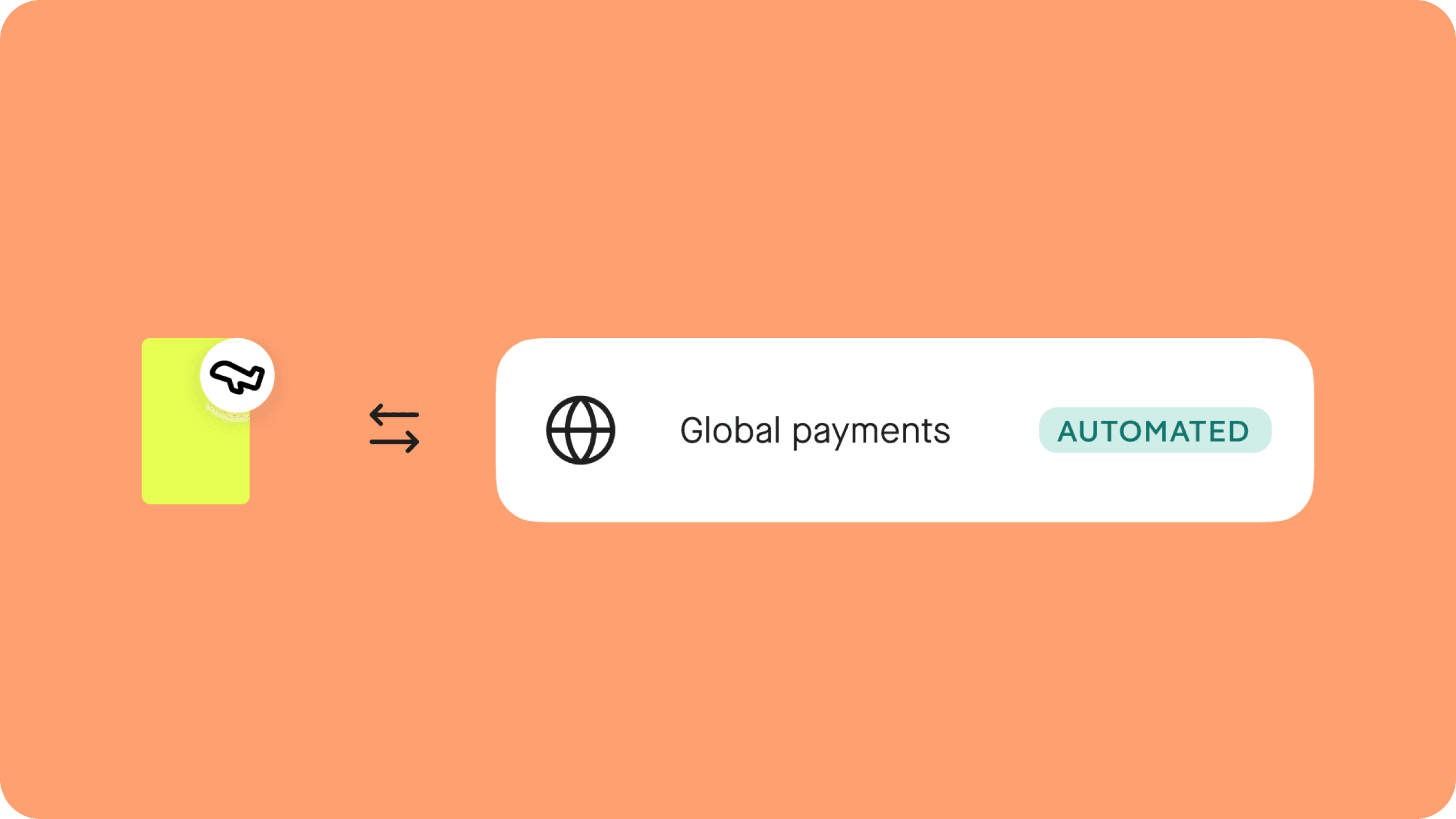
That’s why payment automation is about control as much as it is about efficiency. When you automate how you pay suppliers, you gain clearer visibility over outgoing funds, better timing over when money leaves your accounts, and fewer manual processes slowing your team down.
For you, that means stronger working capital, fewer unexpected cash gaps, and more predictable financial planning. Instead of chasing invoices or reconciling fragmented payments, your finance team can focus on managing liquidity strategically.
In this article, we’ll explore how automating payments improves cash flow for tour operators, and why it’s becoming a competitive advantage across the travel industry.
Why is cashflow important for tour operators?
What does payment automation mean for tour operators?
How can tour operators optimize their cash flow during peak seasons?
How can streamlining payment processes turn costs into a strategic advantage for tour operators?
How does Pliant help tour operators improve their cash flow?
Why is cash flow important for tour operators?
Cash flow is critical for tour operators because your business model is built around timing gaps. You often commit funds to hotels, airlines, transport providers, and local partners before you’ve received the full payment from your customers. Even when you take deposits upfront, the remaining balance may not arrive until much later. That means your profitability on paper doesn’t always reflect the liquidity in your bank account.
Strong cash flow allows you to:
Secure supplier availability early, especially during peak seasons
Negotiate better rates with hotels and partners
Handle cancellations and refunds without financial strain
Invest in growth, marketing, or new destinations
Bridge seasonal revenue fluctuations
In contrast, poor cash flow creates constant pressure. You may delay supplier payments, rely on short-term financing, or limit expansion opportunities simply because funds are tied up at the wrong time.
The first benefit of managing cash flow effectively is simply a question of staying solvent, but over time, this turns into a competitive advantage. It’s about staying competitive. When you have predictable liquidity and better control over outgoing payments, you can operate proactively rather than reactively. That’s exactly where payment automation starts to make a measurable difference.
The benefits of payment automation for tour operators
For tour operators, payment automation means replacing manual supplier payments, invoice chasing, and fragmented reconciliation with a structured, digital process. Instead of transferring funds manually or processing invoices one by one, you issue virtual cards tied to specific bookings. Payments can be triggered automatically based on booking status or check-in dates, with predefined spending limits and validity periods.
With an automated virtual credit card solution, you can:
Generate virtual credit cards instantly for each supplier
Control exactly how much can be charged
Link every payment to a booking reference
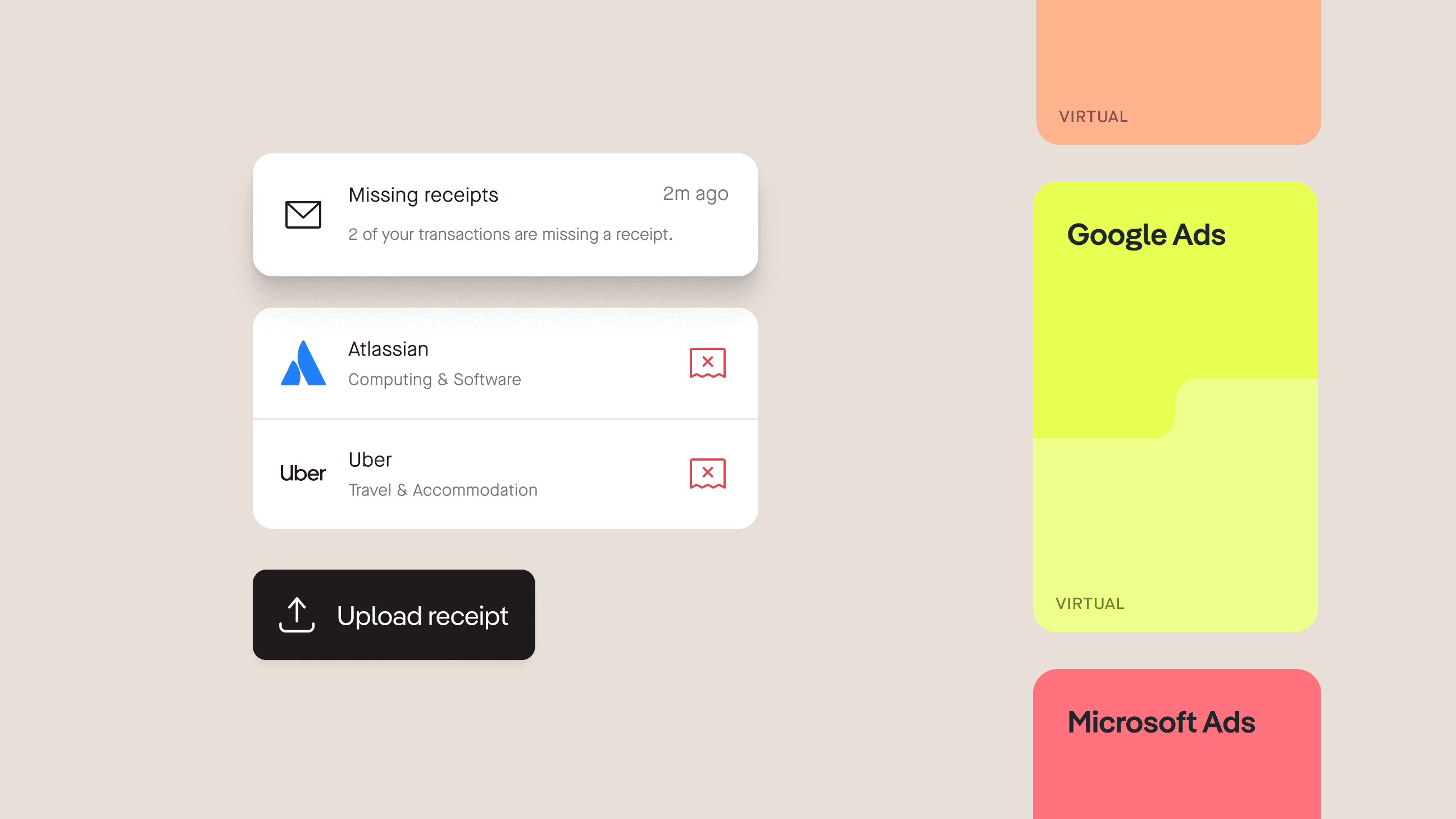
Reconcile transactions automatically in your accounting system
For you, that translates into fewer errors, better visibility over outgoing funds, and more control over when money leaves your business, all of which directly supports healthier cash flow.
How can tour operators optimize their cash flow during peak seasons?
Peak season should mean higher revenue, but for many tour operators, it also means higher financial pressure. You’re confirming more bookings, pre-paying more suppliers, and handling a larger volume of transactions, all within tighter timeframes. To optimize cash flow during peak periods, you need tighter control over when and how money moves.
Align outgoing payments with booking milestones
Instead of paying suppliers immediately or in bulk, automated payment solutions allow you to trigger payments based on booking status, check-in dates, or agreed supplier terms. This helps you hold onto funds for longer without damaging supplier relationships.
Use virtual cards with defined limits
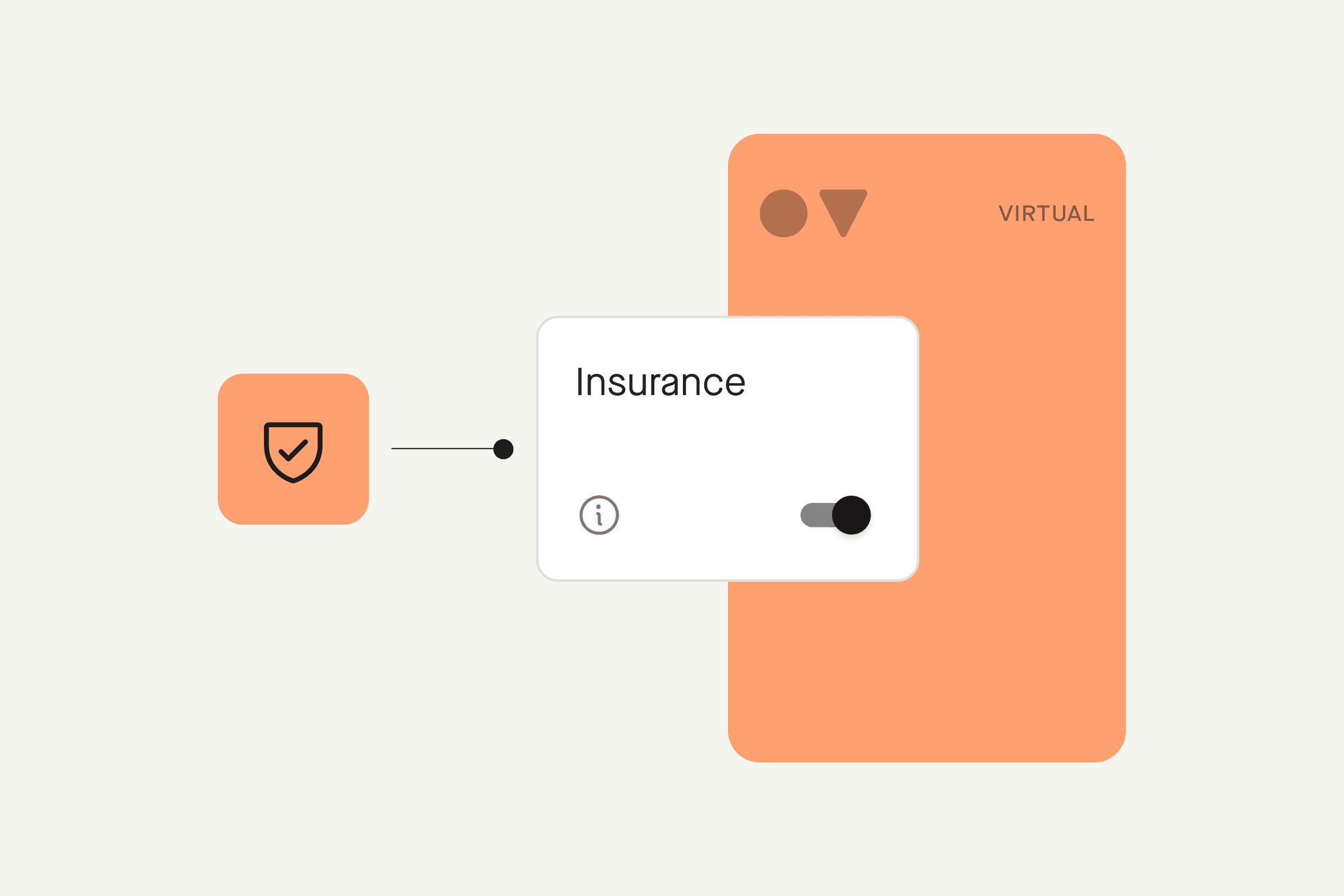
Virtual credit cards (VCCs) let you issue a card for a specific booking, supplier, and amount. You control the exact spend and validity period, preventing overcharges and reducing disputes. This protects your margins while keeping reconciliation simple.
Reduce manual invoice processing: During peak season, manual reconciliation becomes a bottleneck. Automation ties each payment directly to a booking reference, allowing your finance team to close accounts faster and reduce errors. The faster you reconcile, the clearer your real-time cash position becomes.
Extend your working capital strategically: Flexible credit agreements allow you to bridge the gap between customer receipts and supplier payouts. Instead of cash leaving your account immediately, you gain structured payment cycles that support liquidity during high-volume periods.
Improve forecasting with real-time visibility: Automation gives you a live overview of committed spend versus expected incoming payments. With better data, you can forecast liquidity needs in advance rather than reacting to shortfalls.
If you’re a tour operator, peak season should be an opportunity to strengthen margins and build reserves: not a period of financial strain. When payments are automated and controlled, higher booking volumes translate into stronger, more predictable cash flow.
How can streamlining payment processes turn costs into a strategic advantage for tour operators?
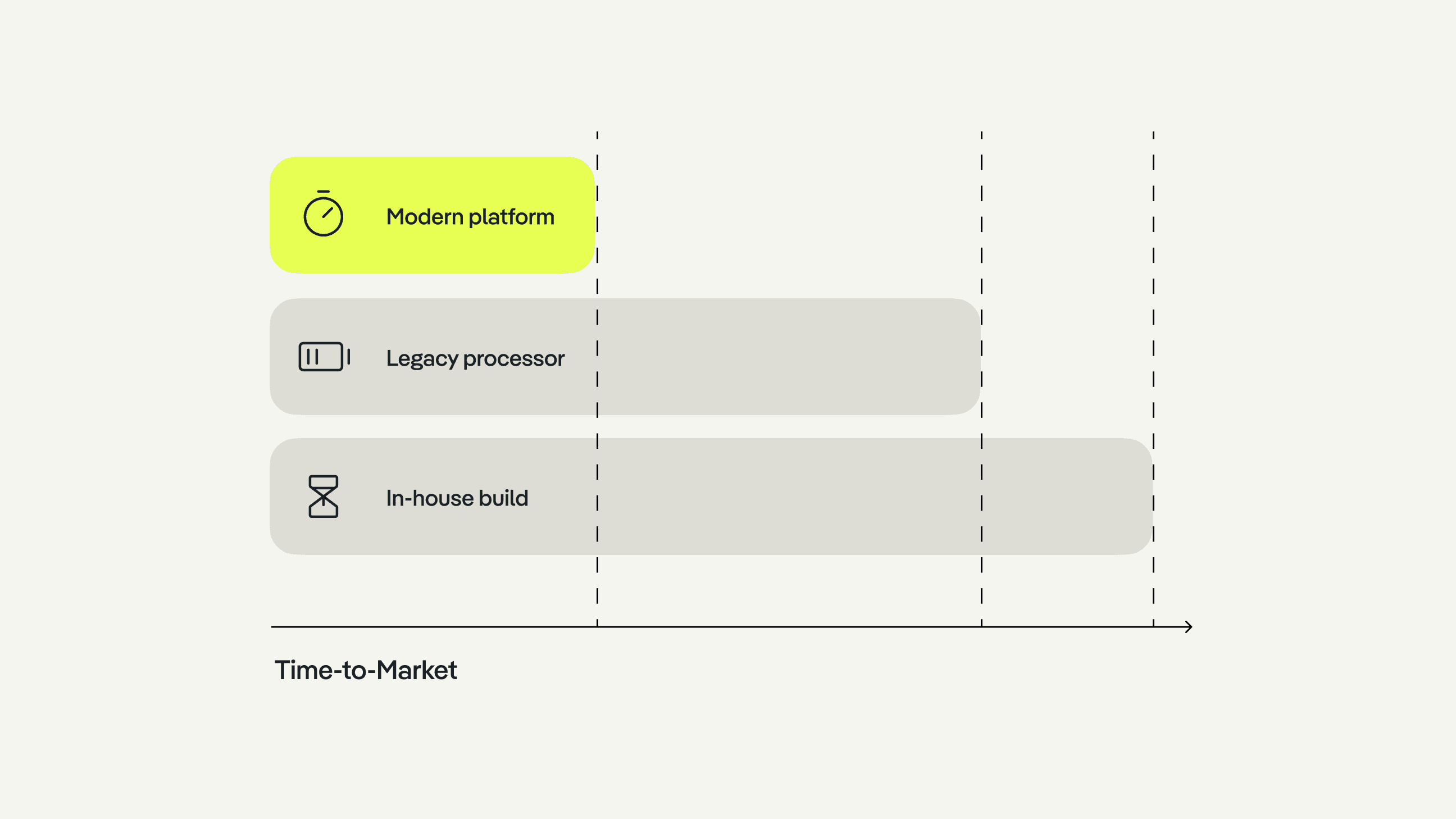
When your payment processes are automated and credit-enabled, you gain flexibility that many competitors simply don’t have. If others are still relying on manual bank transfers, pre-funding supplier accounts, or processing invoices in batches, their cash is tied up earlier and for longer.
Your tour operator business, on the other hand, can align supplier payments more precisely with booking milestones or check-in dates. That added control over timing strengthens your liquidity position and allows you to commit to more inventory, more confidently, especially in high-demand destinations.
This flexibility also gives you access to opportunities that require speed and financial agility. Securing room allocations, negotiating last-minute availability, or expanding into new markets often depends on how quickly and reliably you can confirm payment. With virtual cards and automated workflows, you can issue secure, booking-specific payments instantly, without increasing operational strain on your finance team. While competitors may hesitate due to cash constraints or manual bottlenecks, you can move faster and lock in revenue-generating opportunities.
At the same time, streamlined payments protect your margins. Controlled spend limits reduce leakage, automation cuts administrative overhead, and credit-based payments can generate rebates or incentives that improve trip-level profitability. Over time, those advantages compound. What looks like a back-office improvement becomes a structural edge: stronger cash flow, healthier supplier relationships, and the financial capacity to scale into markets where less automated operators struggle to compete.
How Pliant helps tour operators to improve their cash flow
Pliant helps you improve cash flow by giving you control over timing, visibility, and working capital — while reducing operational friction. Here’s how:
Extend your working capital with high credit lines and flexible billing cycles
With Pliant’s virtual credit cards, you can pay suppliers immediately while benefiting from consolidated billing cycles. Instead of cash leaving your account at the moment of booking, you gain structured payment terms that bridge the gap between customer receipts and supplier payouts. This reduces liquidity pressure, especially during peak seasons.
Control exactly when and how money is spent
Each virtual card can be issued for a specific booking, supplier, and amount. You define spending limits and validity periods upfront. That means no overpayments, no unexpected charges, and no cash leakage. You only pay what was agreed — nothing more.
Automate reconciliation and reduce finance bottlenecks
Every transaction can be linked to a booking reference, cost centre, or project code. This allows automatic reconciliation and real-time tracking of committed spend. Your finance team closes books faster, gains clearer visibility, and makes better liquidity forecasts.
Turn payments into a revenue lever
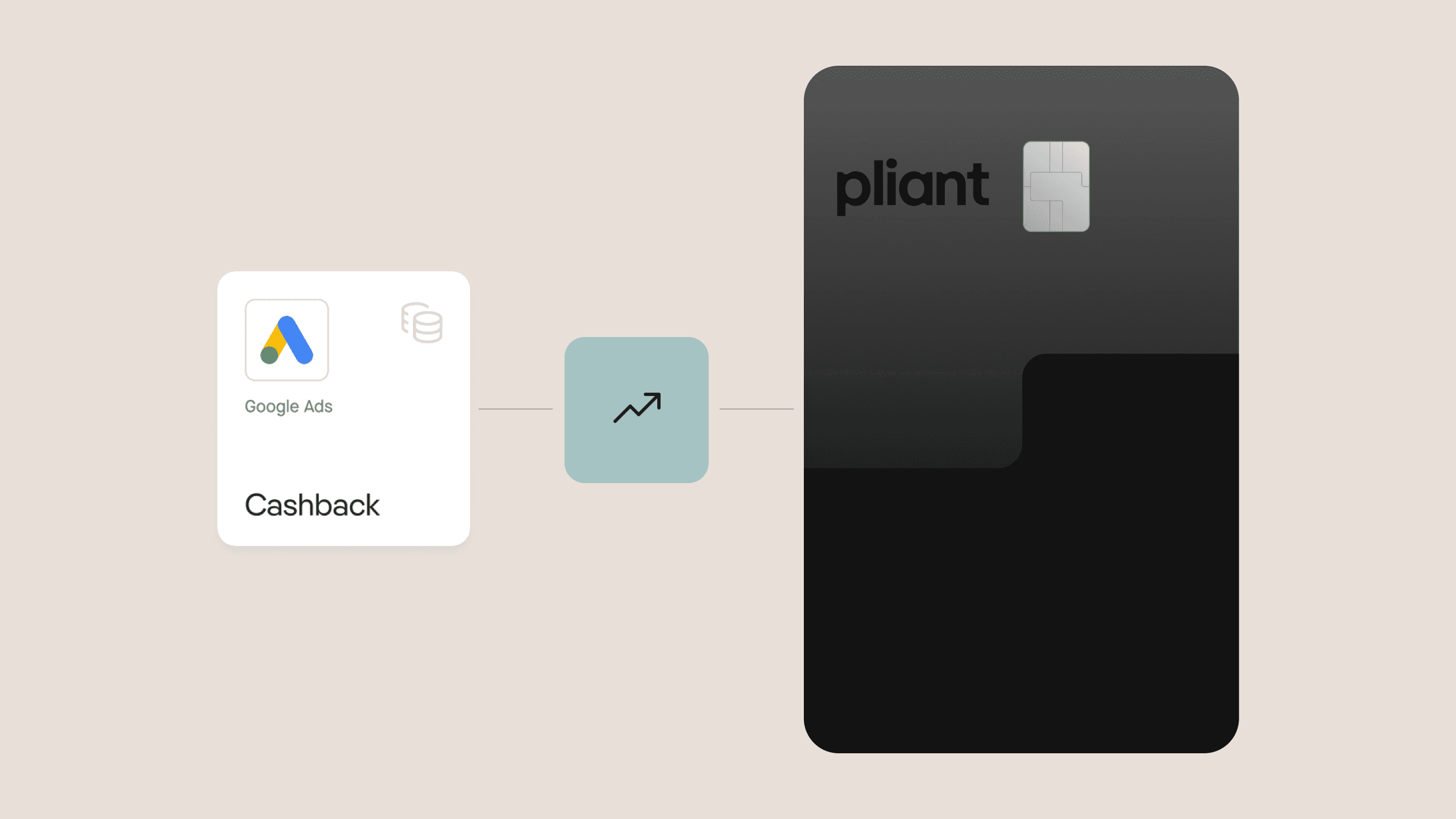
Pliant enables you to benefit from interchange rebates generated when suppliers accept card payments. Every time you pay a hotel, airline, or transport partner with a Pliant virtual card, a small percentage of that transaction can be returned to you in the form of rebates, depending on your volume and agreement structure.
Over time, this adds up. For tour operators processing large supplier volumes, what would normally be a standard payment expense becomes a measurable financial return. The more you scale, the more meaningful that rebate stream becomes.
Scale without increasing financial complexity
As your booking volume grows, Pliant scales with you. You can issue thousands of virtual cards without increasing manual workload. Higher sales don’t automatically mean higher administrative burden or cash flow strain.
For you, that results in stronger liquidity, tighter cost control, and a payment infrastructure built to support growth in a competitive travel market.