How businesses generate revenue with interchange fees
Every card payment your customers make can create a new stream of revenue for your business.


Interchange fees may sound like a technical detail in the payment chain, but for companies like ERP, accounting, and expense management solutions, they can be the foundation of a steady, scalable revenue stream. Many businesses overlook this potential, focusing only on subscriptions or service fees. But by understanding interchange, you can unlock a source of income that grows in line with your customers’ activity.
What are interchange fees?
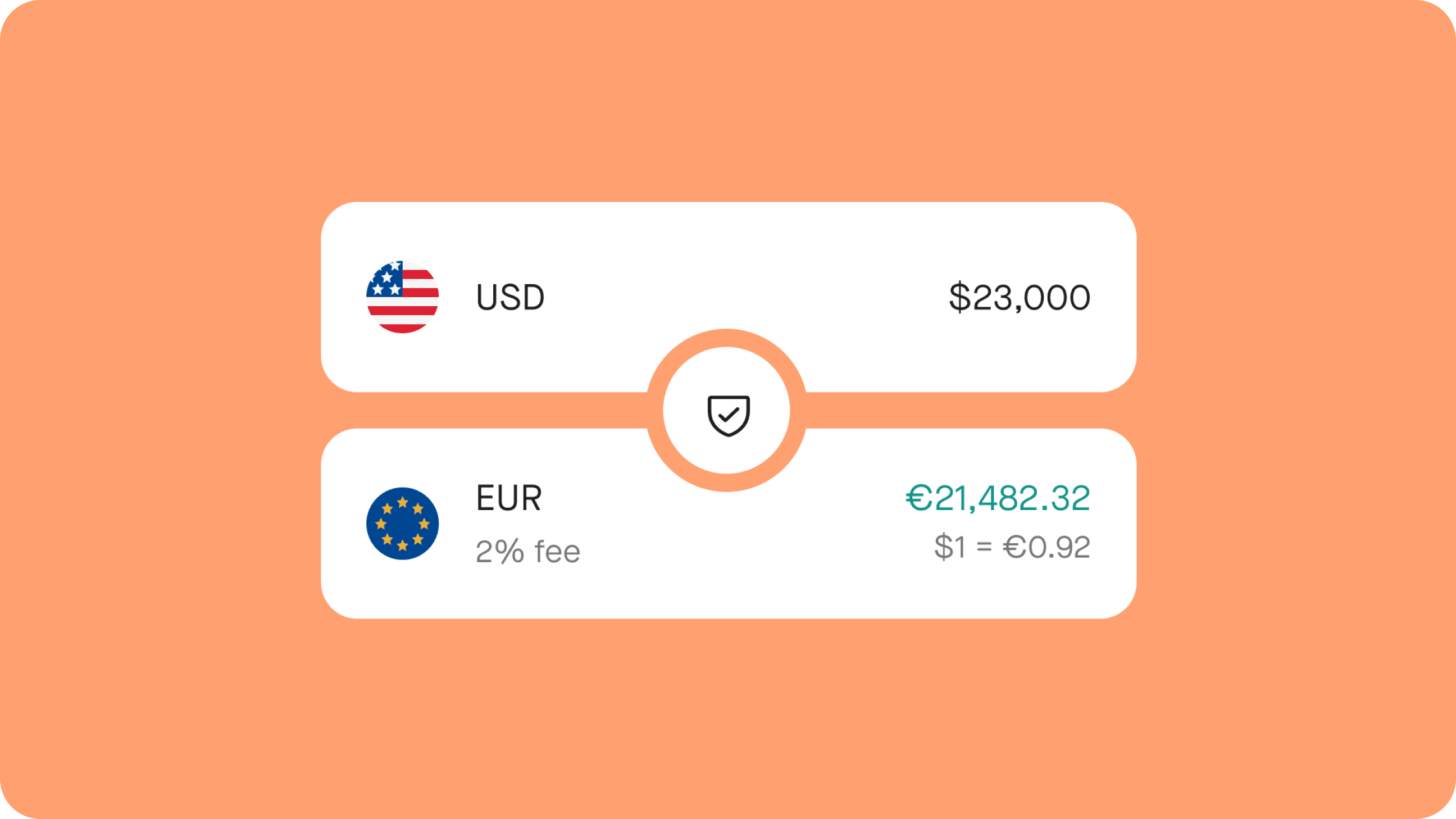
Every time a customer pays with a card, part of the transaction amount flows between the banks involved. The merchant’s bank, known as the acquirer, pays a fee to the customer’s bank or card issuer. This is called the interchange fee.
The exact fees are set by the major card networks such as Visa and Mastercard. They usually combine a percentage of the transaction value with a small fixed amount. The rate depends on several factors including the type of card used, the merchant’s category, the transaction method, and the region where the payment takes place. They usually combine a percentage of the transaction value with a small fixed amount.
What matters for businesses building their own card program is simple. A share of every card payment can come back to you as revenue.
Why interchange revenue matters for businesses
Similar to subscription income, interchange revenue is a predictable and recurring income stream. It grows automatically as your customers spend more, without adding operational complexity. For many companies, this changes the economics of their entire product. Instead of relying solely on subscription fees, interchange fees provide:
Recurring income: Revenue generated automatically with every card transaction.
Stronger margins: Offset costs such as support, compliance, or customer incentives.
Supports Innovation: Revenue from interchange lets businesses invest in technology, fraud protection, and novel payment products, fueling competition in payments and financial services.
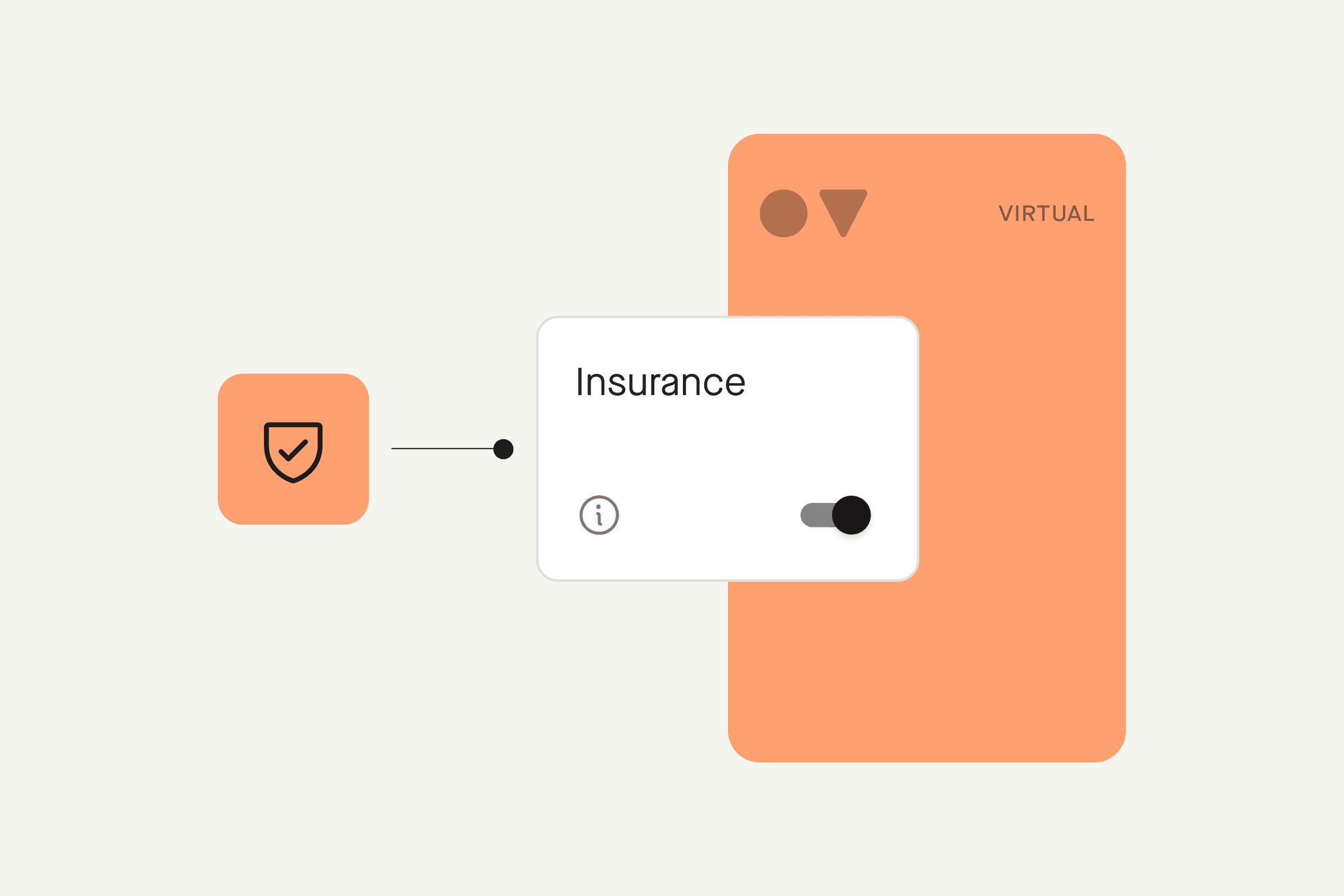
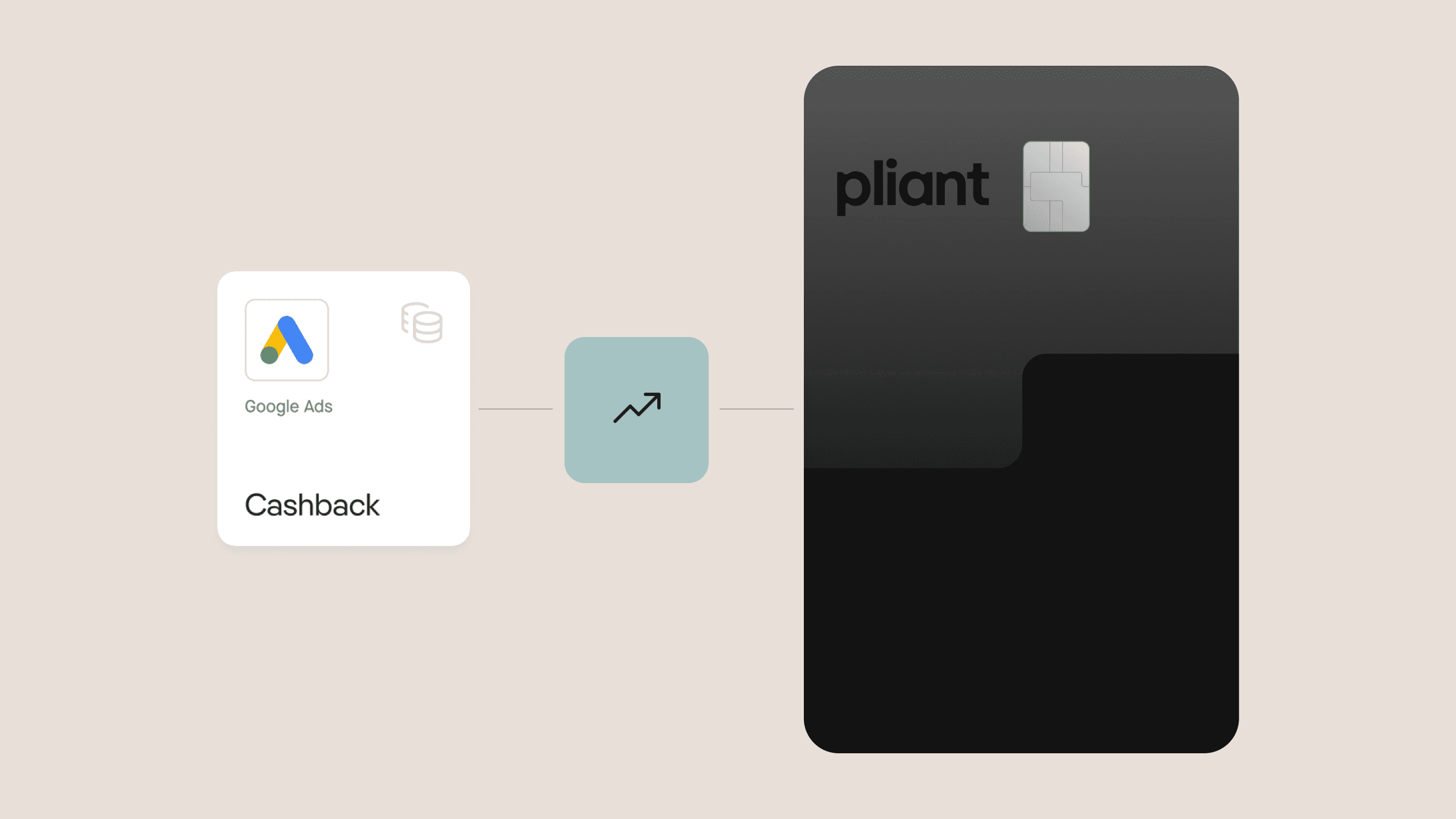
Enables Value-Added Offers: Interchange revenue can fund cashback, rewards, and loyalty programs, or offset costs for services like free cards, travel perks, or insurance coverage.
Companies that capture more interchange by increasing card usage, choosing the right partners, and optimizing payment flows can gain both financial and strategic advantages.
For businesses that issue their own cards, the effect is straightforward. Every transaction adds a small but steady stream of revenue that can become an important layer in the overall business model.
Interchange grows as customers choose embedded cards
Candis, a Pliant customer in the invoice management space, decided to extend its platform with card functionality. By embedding Pliant cards, Candis connected payments directly with invoice workflows and saw strong adoption from its existing customer base. “Our transaction volume spent on our corporate cards has been doubling quarter over quarter for four quarters in a row,” said Christian Ritosek, CEO of Candis. This growth created a recurring interchange revenue stream and strengthened customer retention.
Circula, an expense management software, integrated cards to capture spend at the source. With 20% of spend currently processed via cards, this new revenue stream from card subscriptions and interchange fees presents substantial growth potential. Circula plans to reach €100 million in annualized transaction spend, making the card program a key driver of its market success. “Finance teams are now using us not just for travel expenses, but also for software and marketing spend. Every transaction contributes to interchange revenue that fuels our growth,” explains Nikolai Skatchkov, CEO of Circula.
Both cases show how interchange creates predictable revenue and deeper customer relationships.
Every customer purchase can be your revenue
Interchange isn’t just a technical payment fee. For digital platforms, SaaS companies, and fintechs, it’s a powerful growth lever. By integrating corporate cards into your product and encouraging customers to spend, you create a scalable revenue stream that strengthens your margins and opens new strategic possibilities.
Curious how much revenue you could generate? Try our Revenue Calculator today and start planning your growth. Reach out to our team to get a clearer view of your revenue potential based on your specific setup.