Why marketing agencies lose budget control and how virtual cards fix it
For modern marketing agencies, ad spend management is a core operational discipline. Agencies run multiple client accounts across platforms like Google Ads, Meta (Facebook) Ads, LinkedIn, TikTok, and programmatic networks, often managing hundreds of thousands (or millions) in monthly paid media budgets. Without the right payment infrastructure and credit card controls, overspend, reconciliation issues, and margin leakage become real risks.

- How Do Marketing Agencies Manage Budgets Across Clients?
- Why Marketing Agencies Need Virtual Credit Cards (VCCs) Manage Ad Spend Management
- Which Finance Platforms Prevent Overspend on Paid Media?
- How Agencies Track Real-Time Ad Spend
- Tools for Controlling Facebook and Google Ads Spend
- Choosing the Right Payment Platform for Your Marketing Agency’s Ad Spend Management
- Ready to Take Control of Your Marketing Agency Ad Spend?
Campaign control today requires more than spreadsheets. A virtual credit card platform gives agencies client-level segregation, real-time spend control, built-in budget caps, and approval workflows that align media buying with finance oversight. The right combination of agency credit cards, payment management tools, and platform-level controls ensures every campaign stays within budget while maintaining speed and flexibility for performance teams.
Strong ad spend governance improves cash flow, protects agency margins, and builds client trust: especially when managing multiple campaigns across different platforms.
In this article, we cover:
How do marketing agencies manage budgets across clients?
Which platforms prevent overspend on paid media?
How agencies track real-time ad spend
Best solutions for campaign-level spend limits
Tools for controlling Facebook and Google Ads spend
How Do Marketing Agencies Manage Budgets Across Clients?
Managing budgets across multiple clients is one of the biggest operational challenges for marketing agencies. Each client typically has different monthly ad budgets, billing structures and approval workflows. Without structured financial controls, agencies risk overspend, delayed invoicing, cash flow strain, and margin erosion.
Most agencies manage client budgets using a combination of campaign-level allocations inside ad platforms and external payment controls. On the platform side, tools like Google Ads and Meta Ads allow daily or lifetime campaign budgets. However, these controls alone don’t prevent overall account-level overspend, billing surprises, or accidental scaling beyond agreed limits.
This is where agency credit cards and virtual card platforms become critical. Many agencies issue dedicated virtual credit cards per client, campaign, or channel. This creates clear budget segregation and ensures spend cannot exceed predefined limits. Built-in spend caps, merchant restrictions, and expiry rules provide additional control. Agencies that can combine ad platform controls with structured payment management systems achieve stronger budget discipline, better cash flow visibility, and greater client transparency.
Why Marketing Agencies Need Virtual Credit Cards (VCCs) Manage Ad Spend Management
Simply put: it’s a competitive advantage. Agencies running campaigns across Google Ads, Meta, TikTok, and LinkedIn need more controlled, and more transparent payment infrastructure. Firms that still rely on shared corporate cards or manual reimbursement processes risk overspend, reconciliation delays, and weaker financial oversight.
Virtual credit cards are particularly powerful for managing advertising spend because they allow agencies to align payment controls directly with campaign budgets.
High transaction frequency: Paid media campaigns generate frequent charges, especially when scaling. VCCs are designed to handle high-volume ad transactions without disrupting performance or causing payment failures.
Real-time spend visibility: Agencies can track live ad spend as transactions happen, improving budget pacing and preventing billing surprises.
Downloadable transaction data: Detailed records simplify campaign-level reconciliation and client reporting.
Card-level spend limits: Assigning predefined limits to each campaign card ensures ad spend cannot exceed approved budgets.
Streamlined expense management: Instantly issuing virtual cards for new campaigns or clients reduces operational friction.
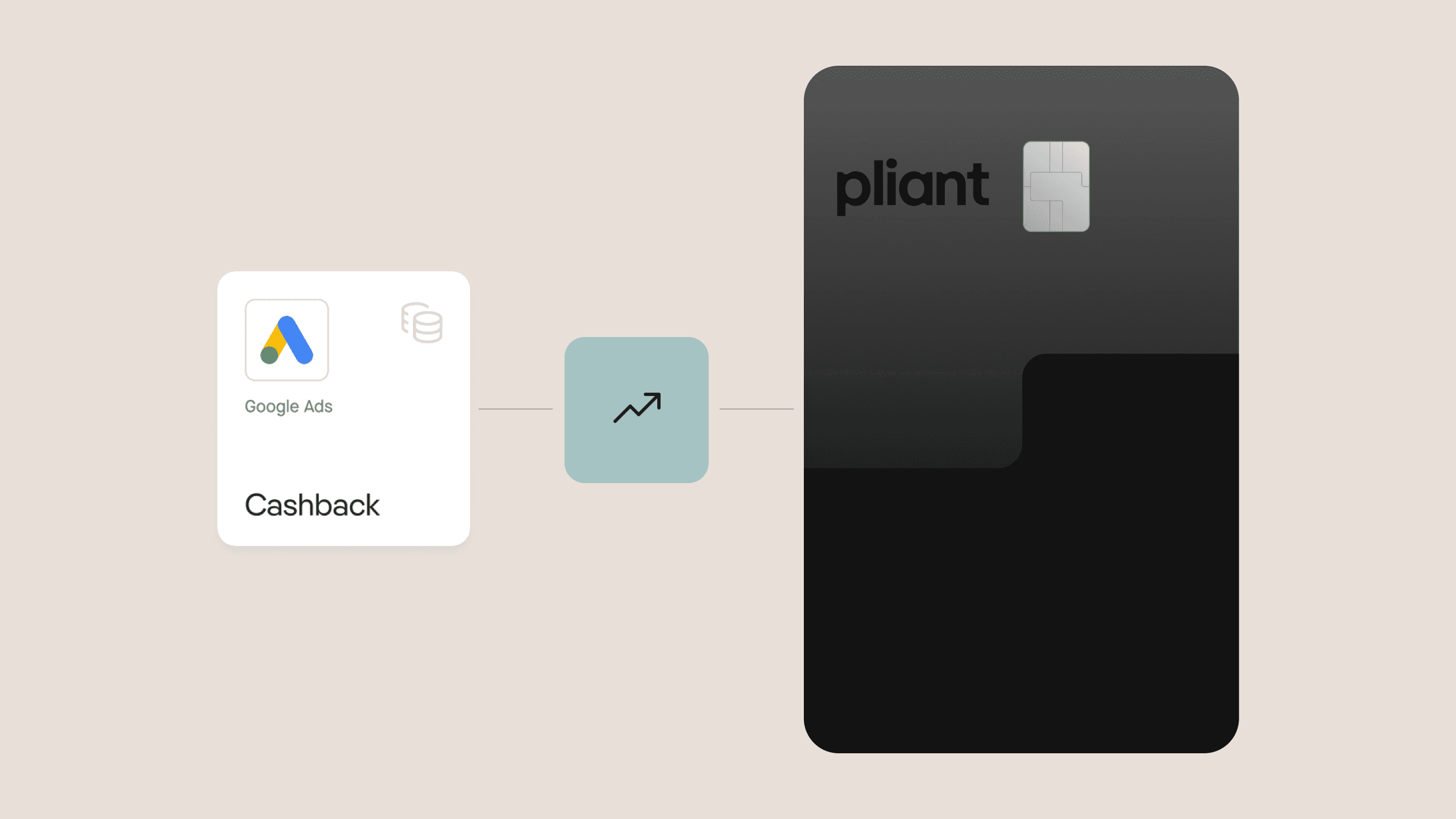
Financial flexibility and rewards: Agencies can quickly adjust budgets, optimize cash flow, and benefit from cashback on large advertising volumes.
By adopting VCCs for ad spend management, agencies gain tighter budget control, better transparency, and stronger margins in an increasingly competitive landscape.
Which Finance Platforms Prevent Overspend on Paid Media?
For marketing agencies managing multiple clients and campaigns, preventing paid media overspend starts at the payment layer. While ad platforms offer campaign budgets, true control often comes from finance tools that enforce hard spending limits before charges are approved.
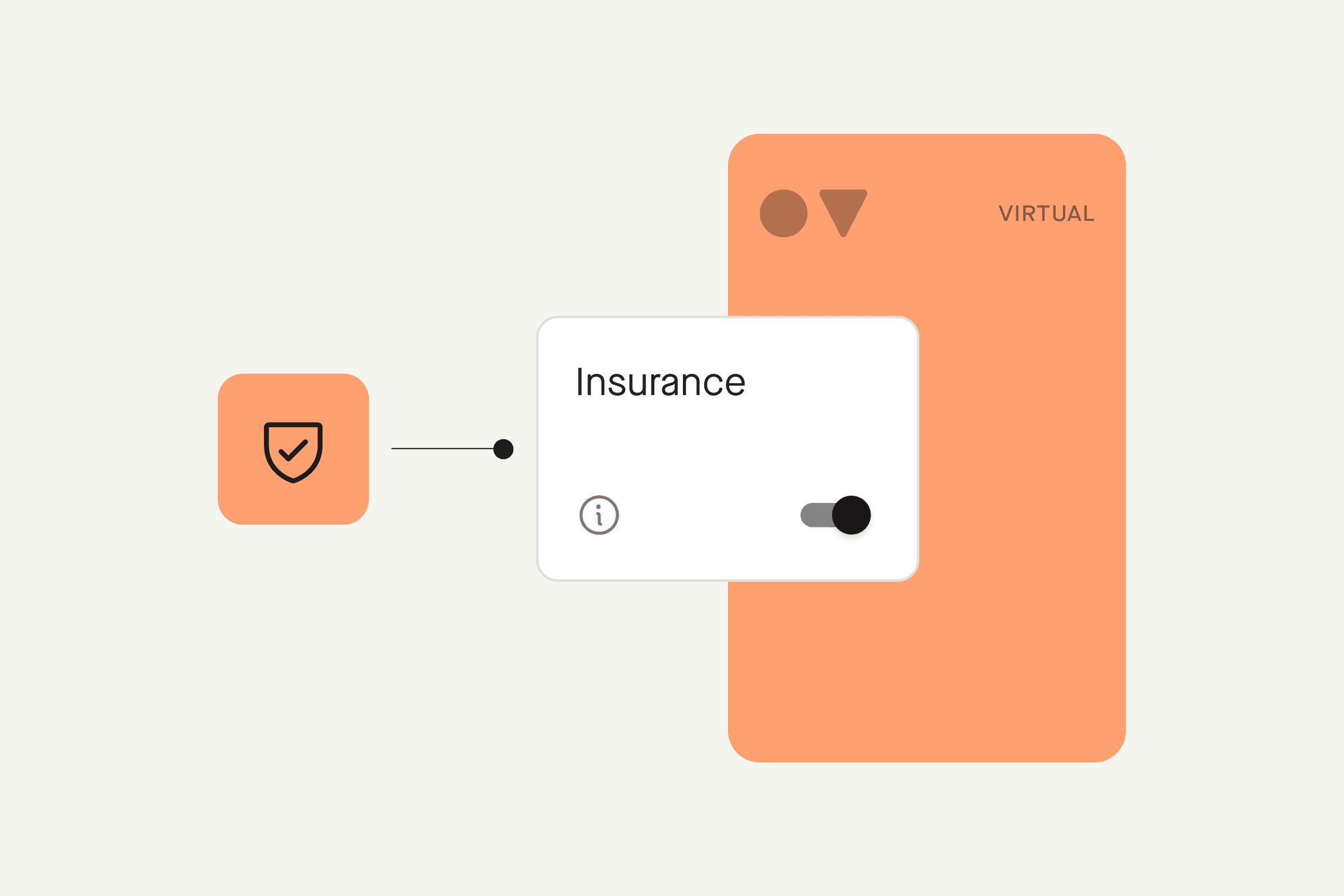
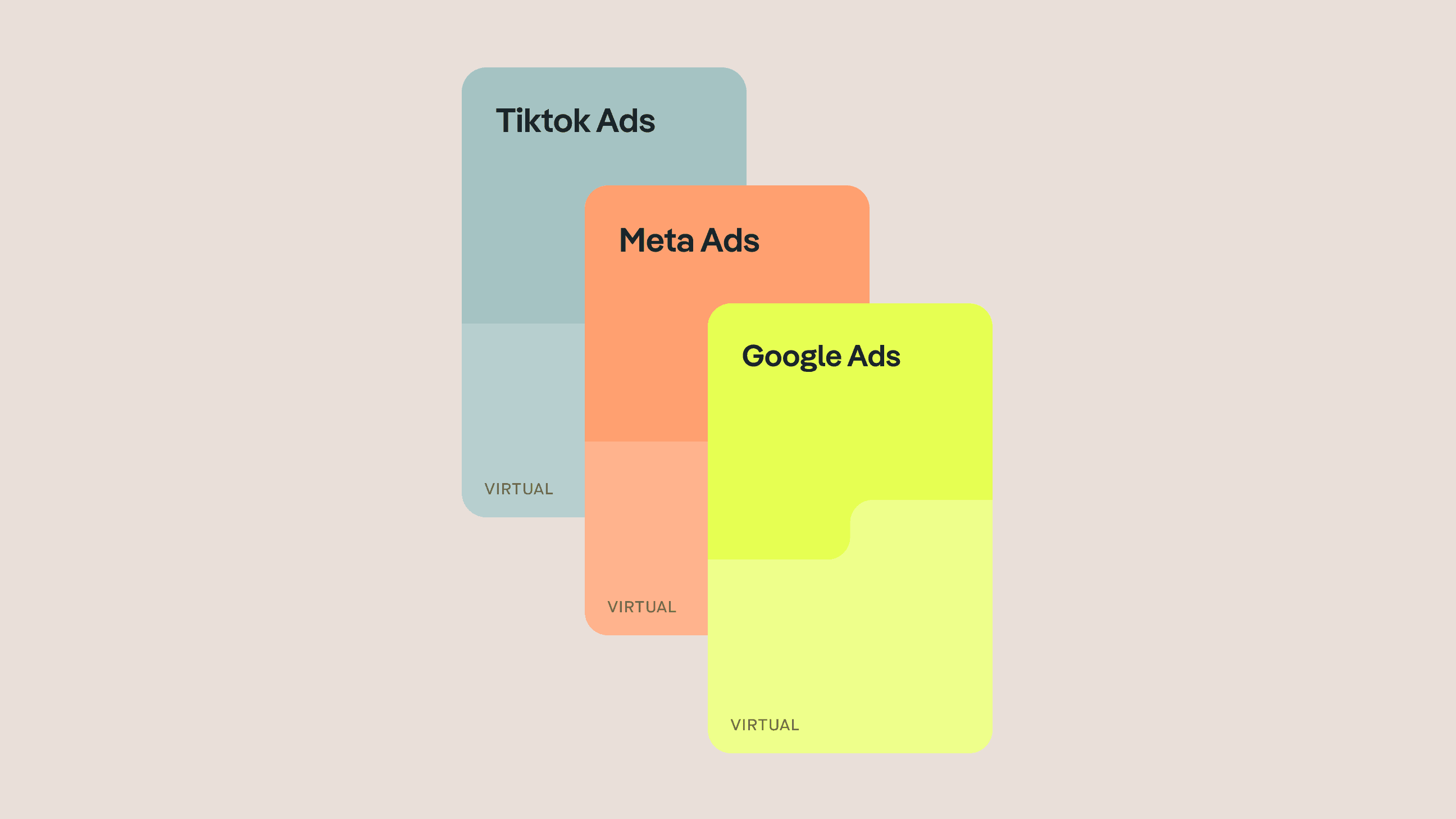
Pliant enables agencies to issue virtual credit cards for each client, campaign, or media buyer. These cards can be configured with strict spend limits, merchant restrictions (e.g., limited to Google Ads or Meta), and expiry dates.
Ramp offers corporate cards with real-time spend tracking and budget controls. Agencies can set card-level limits and monitor transactions instantly, improving visibility across paid media spend.
Brex provides virtual cards with customizable spending caps and approval workflows, helping agencies maintain client-level budget discipline while scaling campaigns.
By using virtual cards with predefined limits and real-time tracking, agencies create financial guardrails that prevent billing surprises, protect margins, and ensure every campaign stays within approved client budgets.
Pliant for Paid Media Spend Control
Pliant goes beyond basic budgeting features inside ad networks by giving agencies true financial guardrails at the payment level. With Pliant, agencies can issue both physical and virtual credit cards (each with customizable spend limits, project-specific controls, and real-time tracking) so every campaign has its own dedicated payment instrument and budget boundary.
Unlike traditional bank cards, Pliant’s virtual cards can be created instantly for specific campaigns or vendors and tied directly to a cost center, ensuring that spending cannot exceed predefined limits before it happens. The platform also supports high transaction volumes, a necessity for media buying teams that run frequent, high-value ad campaigns.
How Agencies Track Real-Time Ad Spend
Tracking real-time ad spend is essential for marketing agencies. Without live visibility into spending, agencies risk exceeding client-approved budgets, misallocating funds across campaigns, or discovering billing issues only after invoices arrive.
Most agencies track real-time ad spend through a combination of ad platform dashboards and payment-level monitoring. Platforms like Google Ads and Meta Ads provide up-to-date campaign spend data, allowing media buyers to monitor daily budgets, pacing, and performance metrics. However, platform reporting alone doesn’t always provide a complete financial picture, especially when campaigns scale quickly or when multiple accounts are linked to the same payment method.
To gain full transparency, agencies rely on virtual credit card platforms and spend management tools that show transactions as they occur. With dedicated cards assigned per client or campaign, finance teams can see live charges, monitor cumulative spend against predefined limits, and receive alerts when budgets are approaching thresholds.
By combining platform analytics with card-level transaction tracking, agencies can improve budget discipline and ensure clients always have clear visibility into their paid media investment.
How Pliant Controls Ad Spend Across Multiple Campaigns
With Pliant, agencies can assign cards to individual clients or campaigns, which simplifies accounting processes. Real-time tracking gives finance and performance teams instant visibility into spend, while simplified reconciliation reduces administrative overhead. This structure allows agencies to scale paid media campaigns confidently while maintaining strict budget discipline.
Tools for Controlling Facebook and Google Ads Spend
Controlling spend on Facebook and Google Ads starts with the native tools inside each platform. Google Ads and Meta Ads allow agencies to set daily and lifetime budgets, create automated rules, and monitor pacing to keep campaigns aligned with targets. These controls are essential for performance management, but they operate within the ad account and don’t always prevent billing surprises at the payment level.
To add stronger financial safeguards, many agencies introduce payment-layer controls using virtual card and spend management platforms such as Pliant, Ramp, Brex, or AirPlus. Instead of relying on one shared corporate card across multiple accounts, agencies can issue separate cards linked directly to individual clients or campaigns. This creates clear financial boundaries at the transaction level and adds an independent layer of budget enforcement outside the ad platforms themselves.
How Pliant Controls Facebook and Google Ads Spend
Pliant enables agencies to issue virtual credit cards with predefined spend limits and built-in merchant category code (MCC) restrictions. This means cards can be configured to work exclusively with approved advertising platforms, such as Google or Meta, reducing the risk of misuse or off-platform spending.
Combined with real-time transaction visibility and centralized dashboards, MCC controls ensure ad budgets are used strictly for paid media while maintaining tight oversight across all active campaigns. This structured payment approach helps agencies scale Facebook and Google Ads spend confidently without sacrificing financial discipline.
Choosing the Right Payment Platform for Your Marketing Agency’s Ad Spend Management
If your marketing agency manages high-volume paid media across multiple clients, choosing the right payment infrastructure is just as important as choosing the right ad strategy. Platform-level budgets alone aren’t enough to guarantee financial control. Agencies need payment-layer safeguards that protect margins, enforce campaign limits, and provide full visibility into live spend.
Pliant gives agencies that control. By enabling the instant issuance of virtual credit cards tied to specific clients, campaigns, or channels, Pliant creates clear financial boundaries for every advertising budget. Hard spend limits prevent overspend before it happens, while merchant category code (MCC) restrictions ensure funds are used strictly for approved ad platforms. Real-time transaction tracking and centralized dashboards give finance and performance teams shared visibility across all active campaigns.
For agencies looking to scale paid media without sacrificing budget discipline, adopting a structured virtual card solution like Pliant is a strategic move. It transforms ad spend management from reactive oversight into proactive financial control — giving agencies the confidence to grow competitively and sustainably.
Ready to Take Control of Your Marketing Agency Ad Spend?
Discover how Pliant can help your agency scale ad spend with confidence. Explore Pliant for marketing agencies or book a demo.