Build or partner? The decision every bank faces before launching a card program
For bank leaders responsible for card programs, the build vs. buy debate has historically been a question of control. Today, control has a new definition: market relevance. The leading fintech challengers in business banking and spend management have collectively built over $130 billion in enterprise value in under a decade. The risk for banks is no longer vendor dependency. The risk is spending years in a development backlog while competitors lock up distribution, data, and customer expectations.

Unlike those fintechs, which compete directly with banks for business customers, Pliant is designed to work alongside banks as a technology partner, helping them launch and scale modern card programs under their own brand, without replacing what already works.
Speed is not a slogan. It is the ability to launch a fully branded, bank-grade commercial card and spend management program, without turning modernization into a multi-year core replacement project or losing the customer relationship.
We'll cover:
In-house build, legacy processor, or modern platform
How banks add modern card capabilities without replacing core systems
How to launch a bank card program faster
In-house build, legacy processor, or modern platform
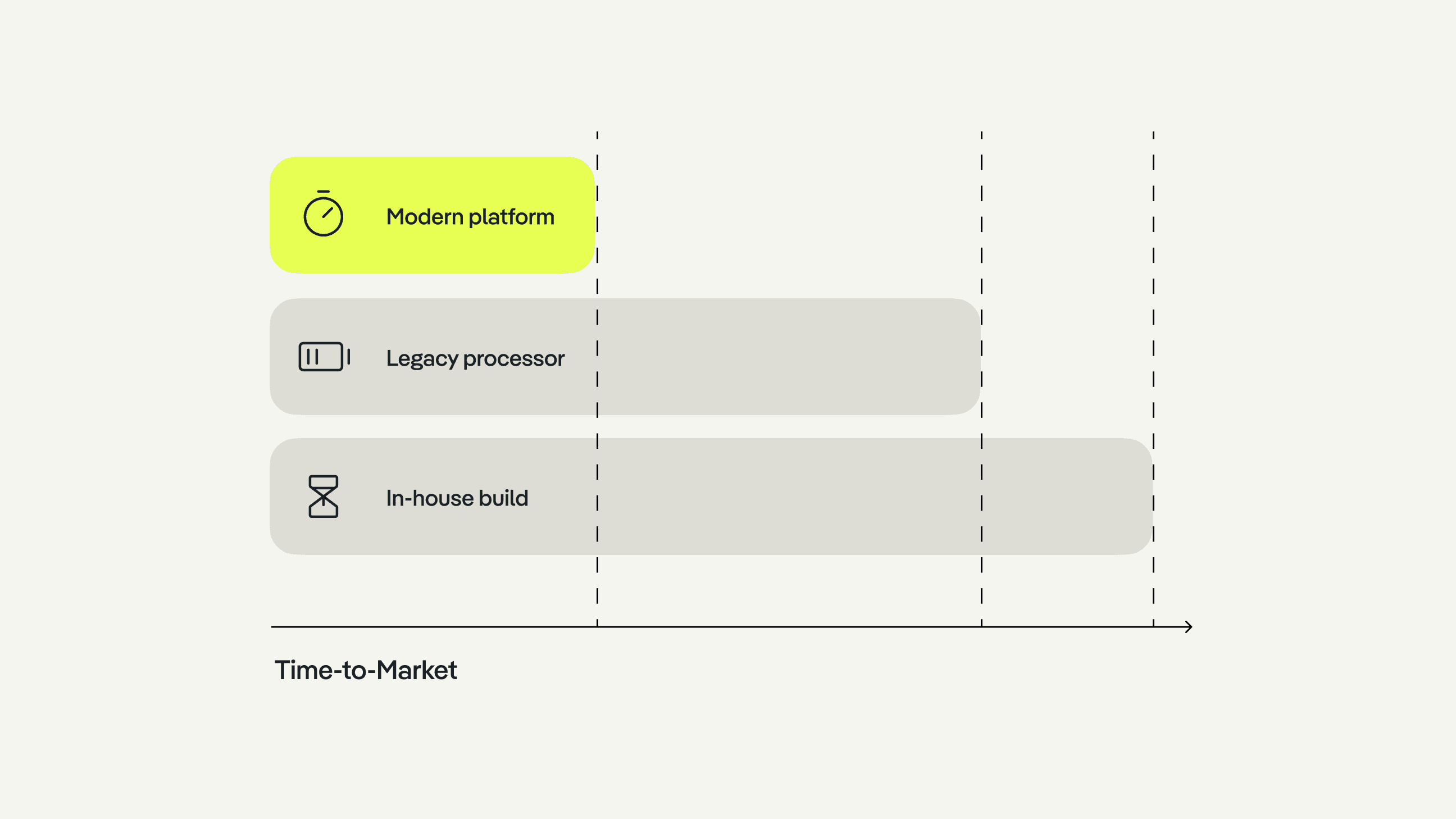
The gap between legacy and modern approaches has widened significantly.
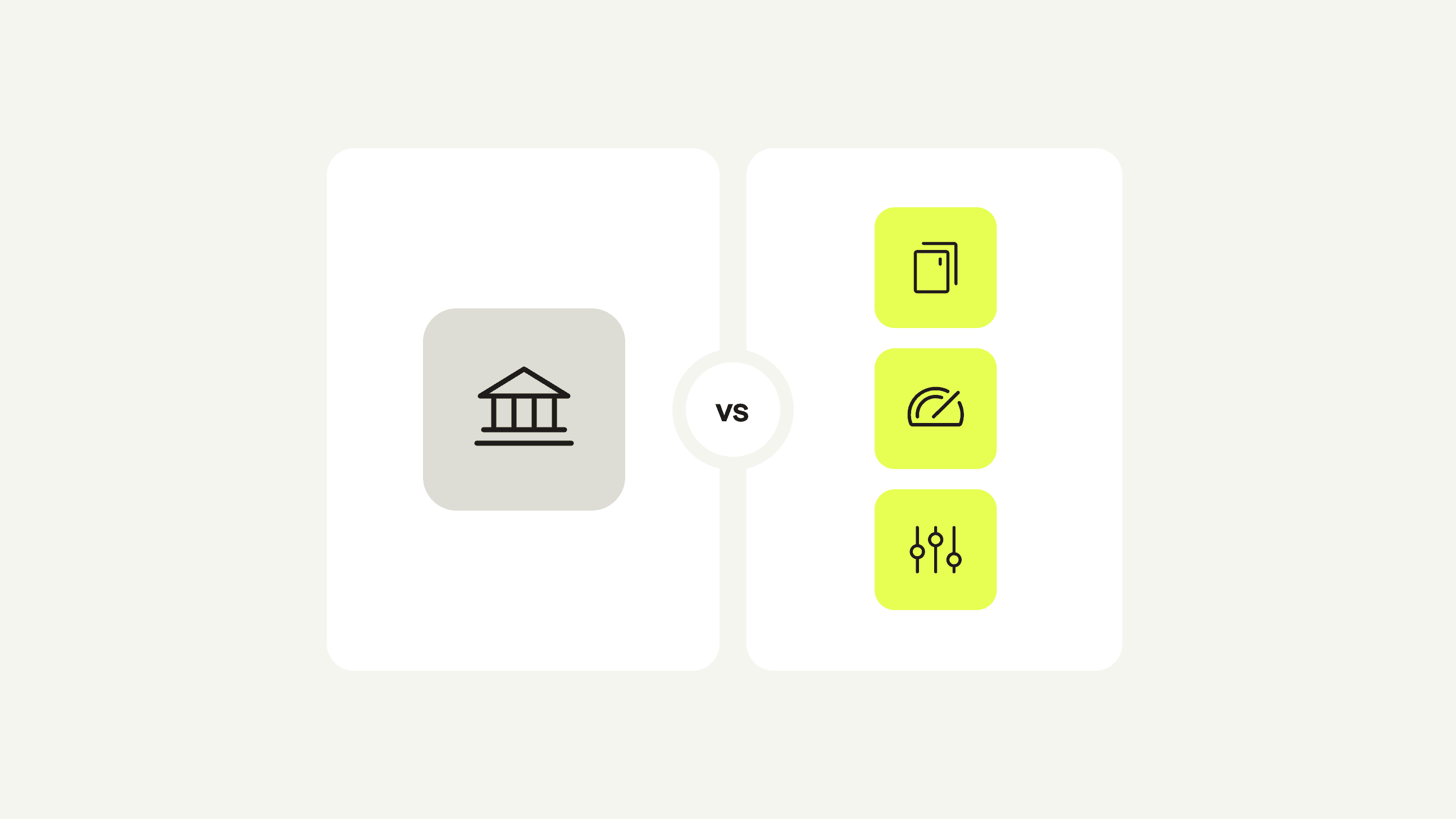
| Path | Timeline | Critical bottleneck | Strategic outlook |
|---|---|---|---|
| In-house build | Each component requires testing, security work, and ongoing maintenance. | Hiring specialized engineers and building bespoke payment security compliance and audit-ready controls from scratch. | High control, but programs frequently become outdated before they launch. |
| Legacy processor | Delivery depends on vendors. Work moves through tickets and handoffs, so changes slow progress. | Rigid codebases and ticket-based manual configuration. | A significant share of IT budgets is consumed by upkeep rather than innovation. |
| Modern platform | More work can run in parallel. The pace is set by internal approvals (risk, legal, compliance, procurement). | Internal bank risk and legal sign-off. | Reduces dependencies and handoffs while preserving bank control of the customer relationship. |
Why dealing with multiple vendors takes so much longer
Timeline is only half the story. The other half is coordination overhead. Every extra vendor adds approvals and handoffs that slow go-live and pushes ownership away from the bank’s core customer relationship.
Internal builds and legacy processor rollouts often expand into a 3 to 4 provider reality (processor, program management, tooling layer, compliance layer). Each additional party adds contracts, security reviews, operating procedures, and handoffs. That overhead becomes a silent multiplier on every decision, and it is one of the main reasons projects take way longer than planned.
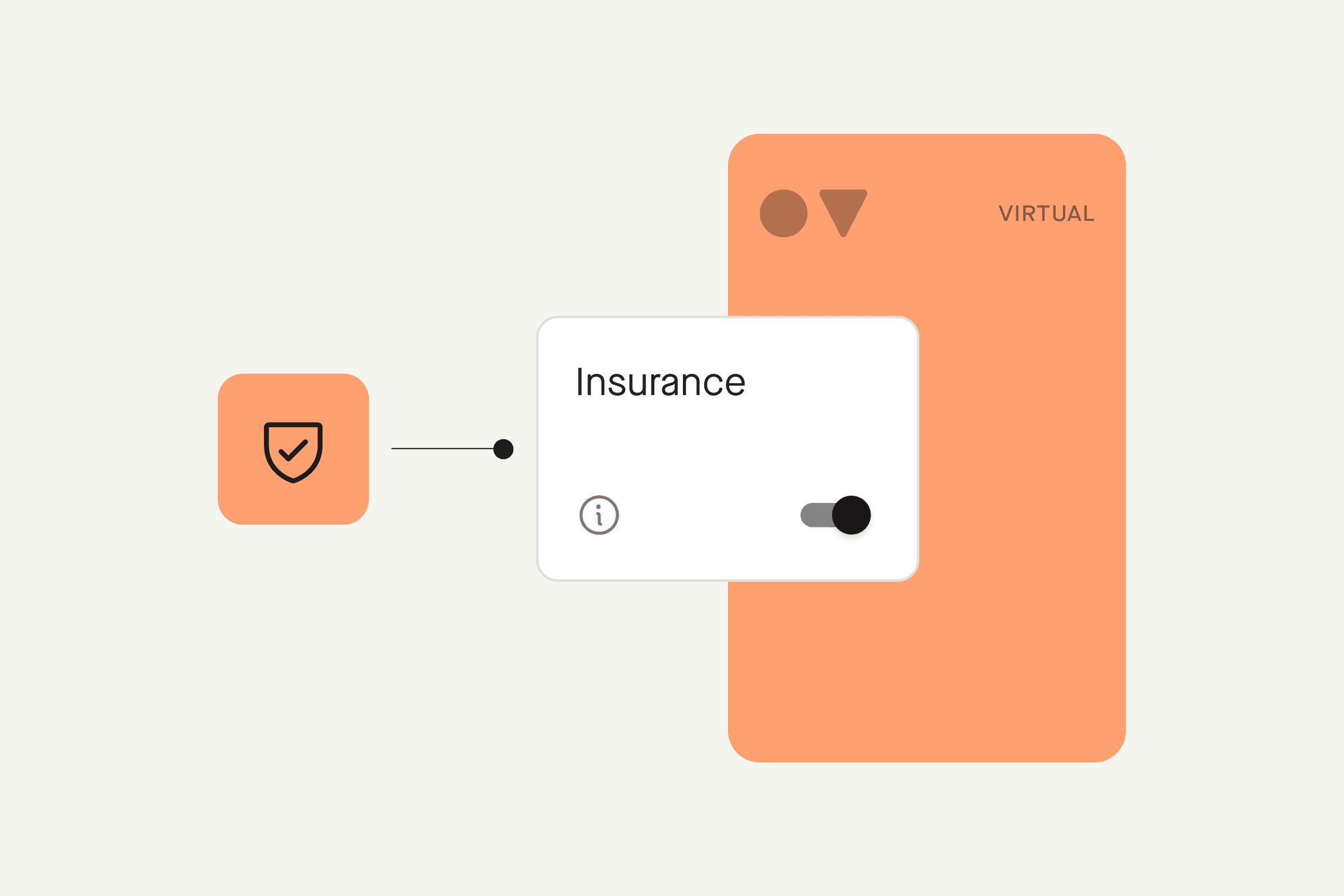
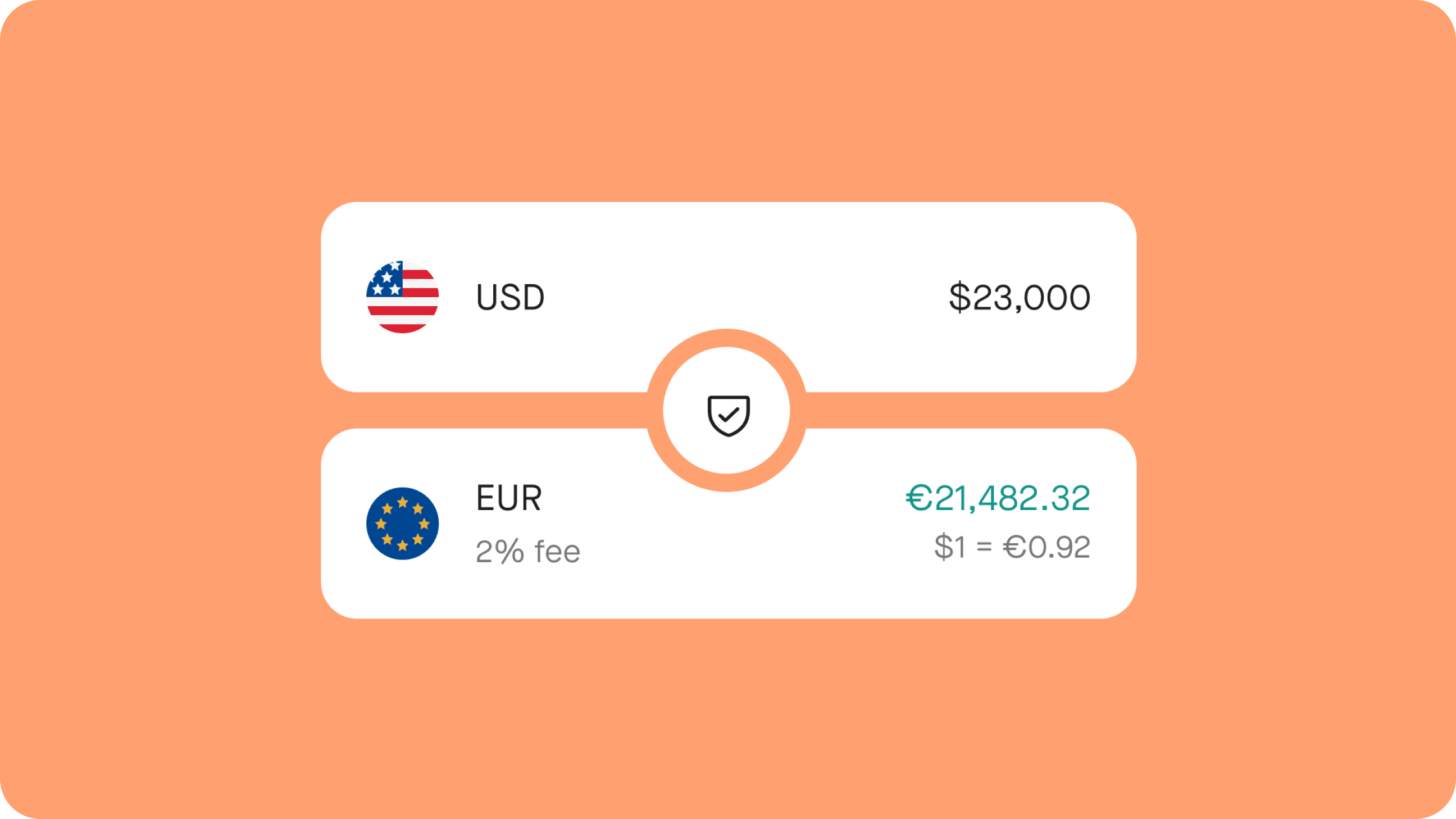
A modern Card and Spend OS model reduces that overhead by consolidating capabilities into a modular stack that a bank can adopt in layers, while keeping the customer relationship and branding in-house. That consolidation also changes the revenue model.
Pliant's Card & Spend OS is purpose-built for banks to launch a fully branded, next-generation card program. Explore Card & Spend OS.
The integration load banks underestimate
Beyond timeline and vendor count, each path carries a different integration load: the amount of technical work the bank's own engineering team must do to connect the solution to existing infrastructure.
In-house build: the bank's team builds every integration from scratch: scheme connectivity (Visa/Mastercard), processor, core banking ledger, fraud and compliance tooling, identity management, and settlement flows. Each component requires its own specification, build, test, and maintenance cycle.
Legacy processor: the bank reduces some build effort but still manages integrations across multiple external vendors. Rigid interfaces mean custom workarounds are common, and any change to one system can cascade across others.
Modern platform: the bank connects once via a standardized API layer. The platform handles scheme connectivity, processing, compliance tooling, and settlement flows out of the box. The bank's team configures rather than builds, and integrates their own processor or ledger only where they choose to retain control.
Integration load is one of the main reasons fast-on-paper timelines slip in practice. A modern platform does not just reduce the number of months. It reduces the number of decisions, dependencies, and engineering hours required to reach go-live.
How banks add modern card capabilities without replacing core systems
Banks no longer need to choose between total core replacement and stagnation. The most effective modernization pattern is to extend existing infrastructure by deploying a modular layer on top of the current setup, so the bank can offer modern capabilities without replacing core systems. The fastest path is additive: keep the bank’s systems and customer ownership intact, add modern capabilities on top.
The five layers of a modular bank card program
A practical modular approach can be broken into deployable layers, which is why it avoids the need for core system replacement:
Backend layer (always-on foundation): the APIs, processing, and infrastructure needed to run and scale the program reliably.
Frontend layer: ready-made admin and cardholder experiences, or the option to embed via APIs.
Regulatory layer: configurable customer verification and anti-money laundering workflows that match the bank's risk appetite.
Support layer: operational tooling and service coverage that prevents go-live from becoming operations debt.
Banking layer: use partner banking infrastructure, or integrate the bank's own where required.
The key point is optionality. Banks can adopt only the layers they need and still ship real-time controls, a modern user experience, and operations that meet regulatory standards, without touching fragile core systems.
Learn more about Pliant's solution for Banking.
The minimum compliance controls every bank card launch requires
Fast does not mean reckless. The real differentiator is whether speed is compatible with regulated-environment expectations.
If speed depends on exceptions, manual workarounds, or "we will harden it later," it is not speed. It is future remediation. In a Tier-1 environment, the ability to demonstrate audit-ready controls and consistent operations is what keeps a fast launch from collapsing under scrutiny.
The minimum bank-grade controls required for any card program launch:
Payment security certification (PCI-DSS) is the baseline standard for any program that handles card data.
Customer verification and onboarding are structured checks to confirm the identity and legitimacy of business customers before issuing cards.
Anti-money laundering and sanctions screening are ongoing transaction monitoring and checks against regulatory watchlists.
Dispute and chargeback handling are defined processes for resolving contested transactions within scheme deadlines.
Settlement and reconciliation are automated flows to match transactions, settle funds, and produce accurate records for the bank's ledger.
Operational support coverage includes documented escalation paths and service levels for cardholder and bank-side issues.
A modern card platform delivers all of these as configurable, pre-built components. An in-house build must construct each one from scratch, which is the primary reason timelines expand well beyond initial estimates.
How to launch a bank card program faster
A rollout blueprint is not only a plan. It is a set of parallel workstreams that de-risk launch across product, operations, and governance.
The fastest programs treat internal approvals as first-class work, because the gating items are rarely technical. They are risk, legal, compliance, and sponsorship alignment. The goal is to compress timeline without compressing diligence.
A credible rollout for an embedded B2B card program follows a compressed, parallel workstream:
Phase 1: Align the operating model (decisions before build)
Sandbox testing, API mapping, and identity model definition (entities, subsidiaries, roles).
Definition of hierarchical controls for multinational structures.
Early security review, documentation pack, and threat model.
Phase 2: Governance and controls (approvals and configuration)
BIN sponsorship alignment and operating model definition.
Compliance configuration: customer verification, anti-money laundering checks, sanctions screening, and policy enforcement, all configurable to the bank's requirements.
Operational readiness: reconciliation flows, dispute handling, and support procedures.
Phase 3: Pilot and proof (validate before scale)
Pilot launch with a select group of business customers.
Validate UX, real-time reporting, and exception handling.
Finalize rollout plan, expansion sequencing, and success metrics.
Ready to see what a launch looks like for your bank?
Pliant's Card & Spend OS is the modular technology platform banks use to launch next-generation card programs: fully branded, enterprise-ready, and live in months, not years. Talk to us.