How marketing agencies improve their payment efficiency
Efficient finance operations aren’t about micromanaging spend. They’re about giving your team clear visibility, automating repetitive work, and making month-end close predictable instead of stressful. When your systems connect properly, finance becomes smoother, faster, and far less reactive.

Finance and accounting probably aren’t the reasons you started your marketing agency: but there’s no argument that they’re among the most important parts of running it well. Between client invoices, ad platform charges, SaaS subscriptions, contractor payments, and team expenses, your agency processes a huge number of transactions every month. If those flows aren’t structured properly, reconciliation turns into a time-consuming manual exercise.
When your invoices and card payments don’t line up cleanly, your finance team ends up chasing receipts, splitting transactions across clients, and cleaning up spreadsheets at month-end. That’s not just slow and frustrating for your team: it slows down reporting, forecasting, and strategic decision-making.
Efficient finance operations aren’t about micromanaging spend. They’re about giving your team clear visibility, automating repetitive work, and making month-end close predictable instead of stressful. When your systems connect properly, finance becomes smoother, faster, and far less reactive. In this article, we cover:
Best ways to track invoices alongside card payments
Tools that reconcile ad invoices automatically
How marketing agencies handle month-end close
Spend management tools for agency finance teams
How agencies reduce manual reconciliation
Tools that connect card spend with accounting
The best ways to track invoices alongside card payments
Keeping your invoices aligned with card transactions makes reconciliation faster and far less stressful. Here are three practical ways to make that happen.
1. Centralize Invoices and Payments in One View
If your invoices live in one system and card transactions in another, reconciliation becomes a matching exercise every month. The best approach is using a platform that allows your finance team to see invoice data and card payments in one place. When transactions and invoices sit side by side, it’s immediately clear what’s paid, what’s pending, and what needs attention.
2. Automate Matching Wherever Possible
Manual invoice matching eats up hours and increases the risk of errors. Tools that automatically match invoices to card transactions based on vendor, amount, and date dramatically reduce admin. Automation ensures that when a charge posts, it’s already connected to the correct invoice, minimizing manual intervention.
3. Track Transactions in Real Time
Waiting until month-end to reconcile is inefficient. Real-time transaction visibility allows your team to review and categorize spend as it happens. This helps you spot discrepancies early, attach receipts promptly, and avoid last-minute cleanup before closing the books.
Tools that reconcile ad invoices automatically: How Pliant does it
With our platform, invoices and card transactions are connected in a structured, centralized environment. You can track payments in real time, attach invoice documentation directly to transactions, and ensure each charge is linked to the correct client or project.
Our integrations with accounting systems and invoice capture tools streamline the entire workflow, reducing manual reconciliation and accelerating month-end close. Instead of treating invoices and card payments as separate processes, our platform brings them together, helping your finance team work faster, with clearer visibility and fewer errors.
How marketing agencies handle month-end close
Month-end closing in a marketing agency usually involves untangling dozens (sometimes hundreds) of transactions across clients, campaigns, tools, and suppliers. Ad platform charges may land on different dates. SaaS renewals hit automatically. Team members submit expenses late. Client billing cycles don’t always align with card statements.
All of that creates friction at the worst possible time: closing.
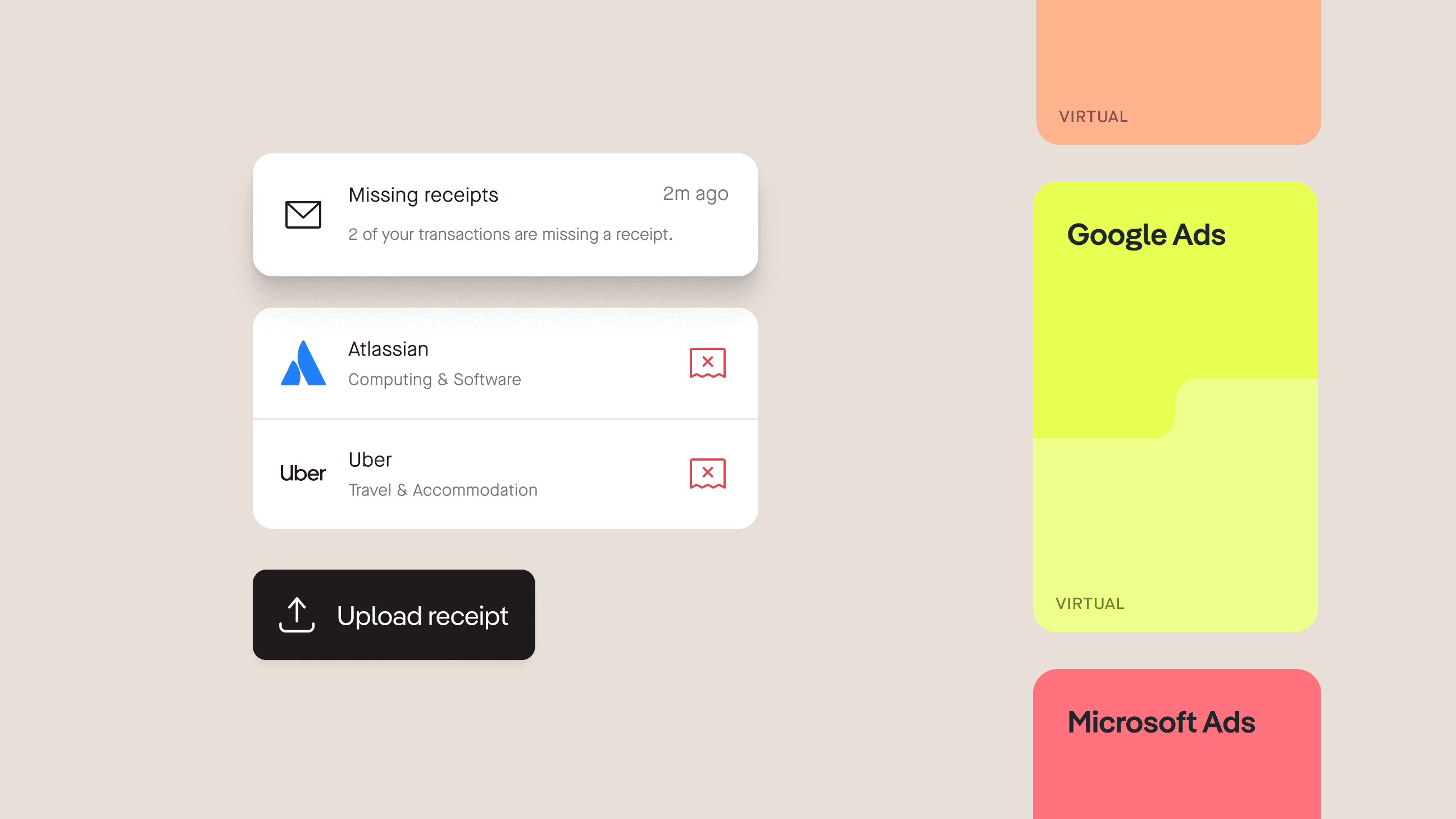
Most agencies handle month-end in stages. First, finance teams export card transactions and platform invoices. Then they match charges to clients or cost centers, chase missing receipts, and verify that ad spend aligns with internal tracking. Finally, they reconcile everything in their accounting system and prepare client reports. When processes are manual, this can take days, and small errors can slip through.
Why month-end is different with Pliant
With our platform, much of the heavy lifting happens before month-end even arrives. Transactions are visible in real time, receipts and invoices can be attached directly to charges, and spend can be segmented by client, campaign, or team from the moment it occurs.
Because integrations sync data directly into your accounting system, reconciliation becomes a review process rather than a rebuild. Instead of exporting spreadsheets and matching transactions manually, your finance team works from a structured, centralized dashboard.
The result is a faster, more predictable month-end close — with fewer surprises and far less administrative stress.
Spend management tools for agency finance teams
Modern spend management tools help reduce the burden of high ad spend volumes, recurring SaaS tools, contractor invoices, client pass-through costs, and internal operational expenses: centralizing visibility, automating categorization, and syncing data directly with accounting systems.
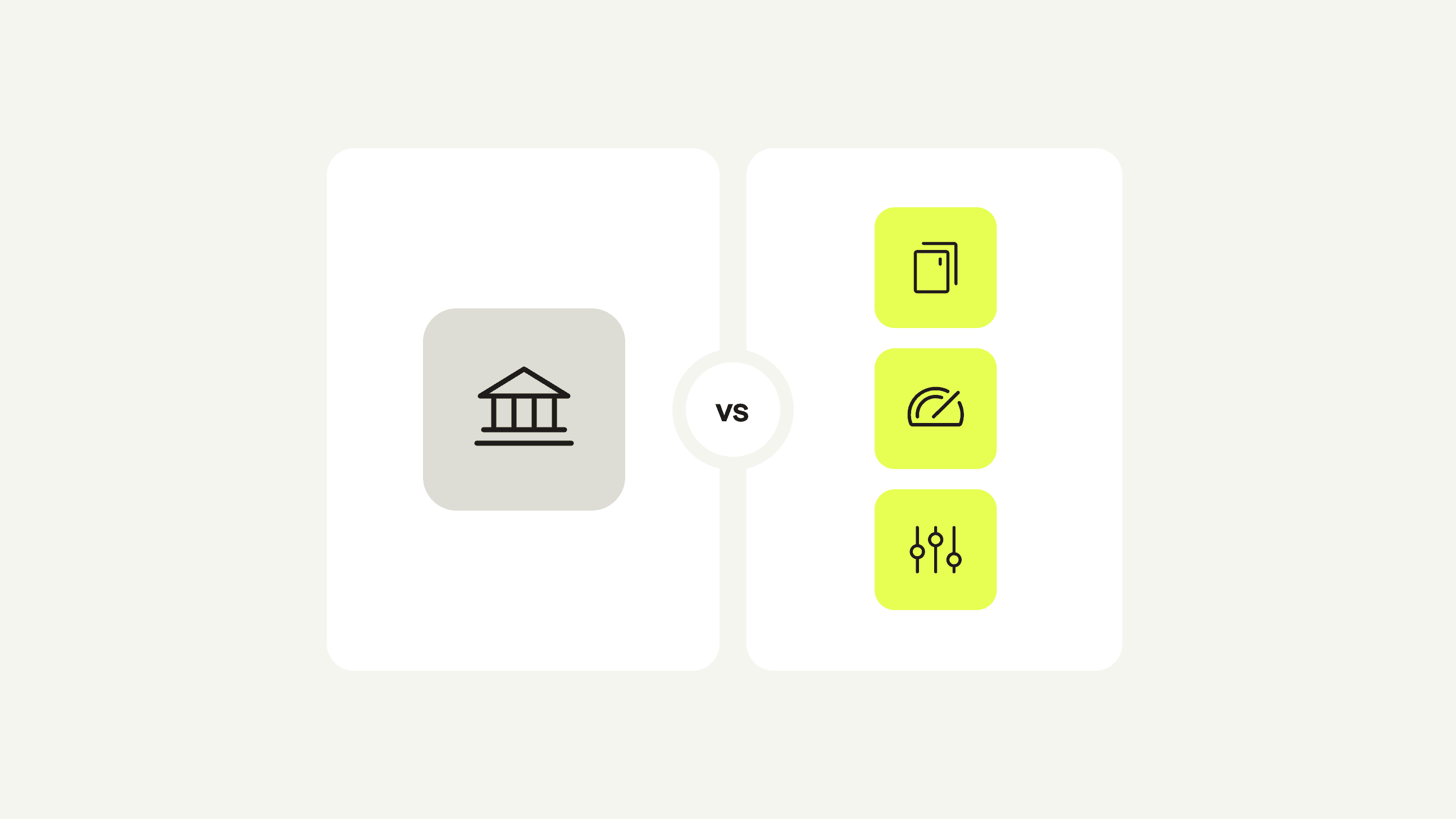
However, marketing agencies have a choice to make: adopt a standalone spend management platform layered on top of their existing bank or card setup, or move to a payment platform that embeds spend controls directly at the source of transaction.
Dedicated Spend Management Platforms
Platforms like Payhawk and Spendesk focus heavily on structured spend control and workflow automation. They typically offer:
Centralized dashboards for all company spend
Automated expense categorization
Approval workflows for team purchases
Receipt capture and invoice attachment
Direct integrations with accounting tools like Xero, NetSuite, or DATEV
For agency finance teams, these tools reduce manual tagging and eliminate the need to chase documentation at month-end. Instead of exporting card statements and matching them line by line, transactions are pre-categorized and organized throughout the month.
The drawback? Some spend management platforms are built for general corporate environments and may not fully accommodate the high transaction volumes or ad-platform-specific needs of media-heavy agencies.
Payment Platforms with Embedded Spend Controls
Platforms like Pliant, Brex, and Ramp combine card issuance with built-in spend management capabilities. Instead of separating payment from control, they structure spend at the point of transaction.
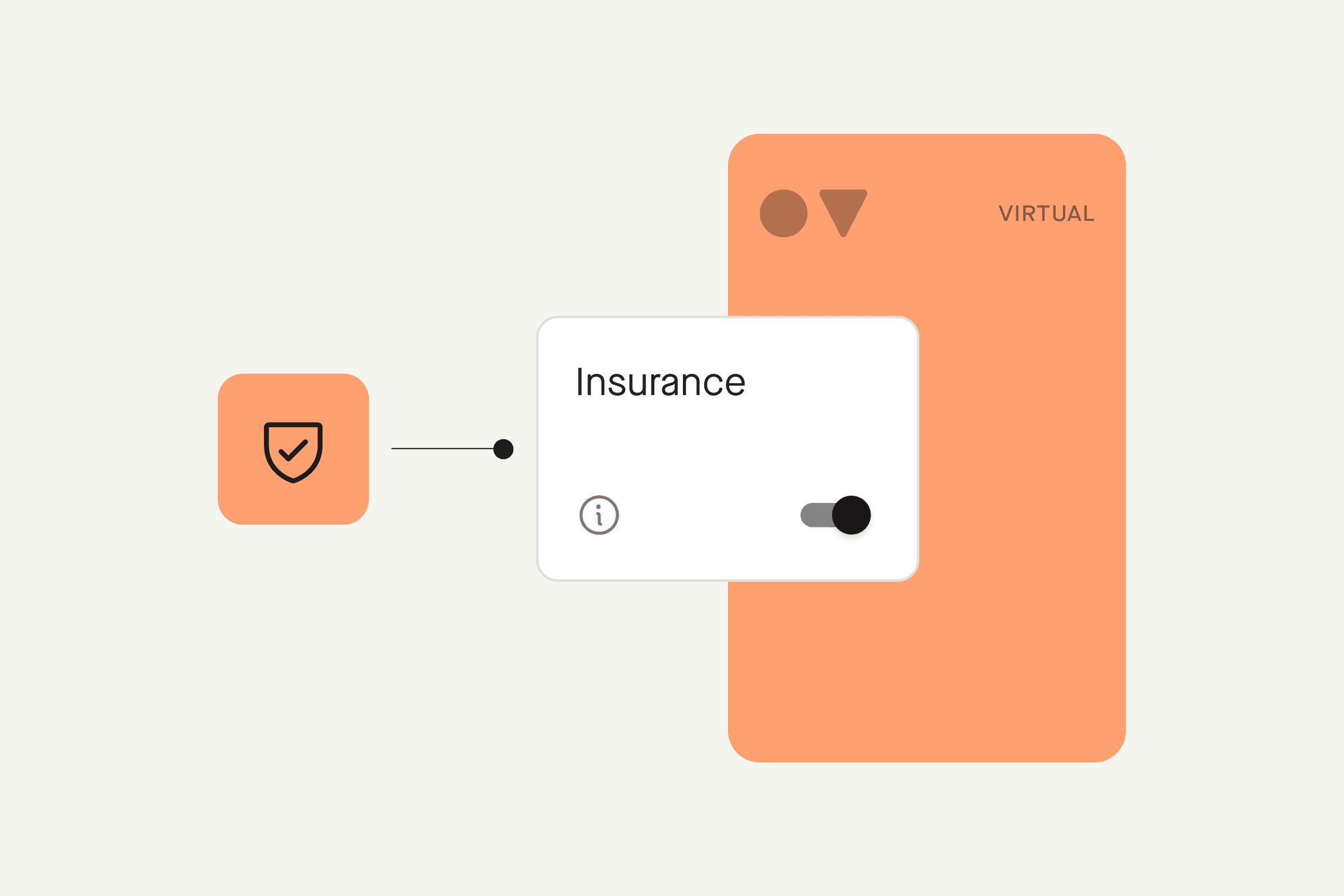
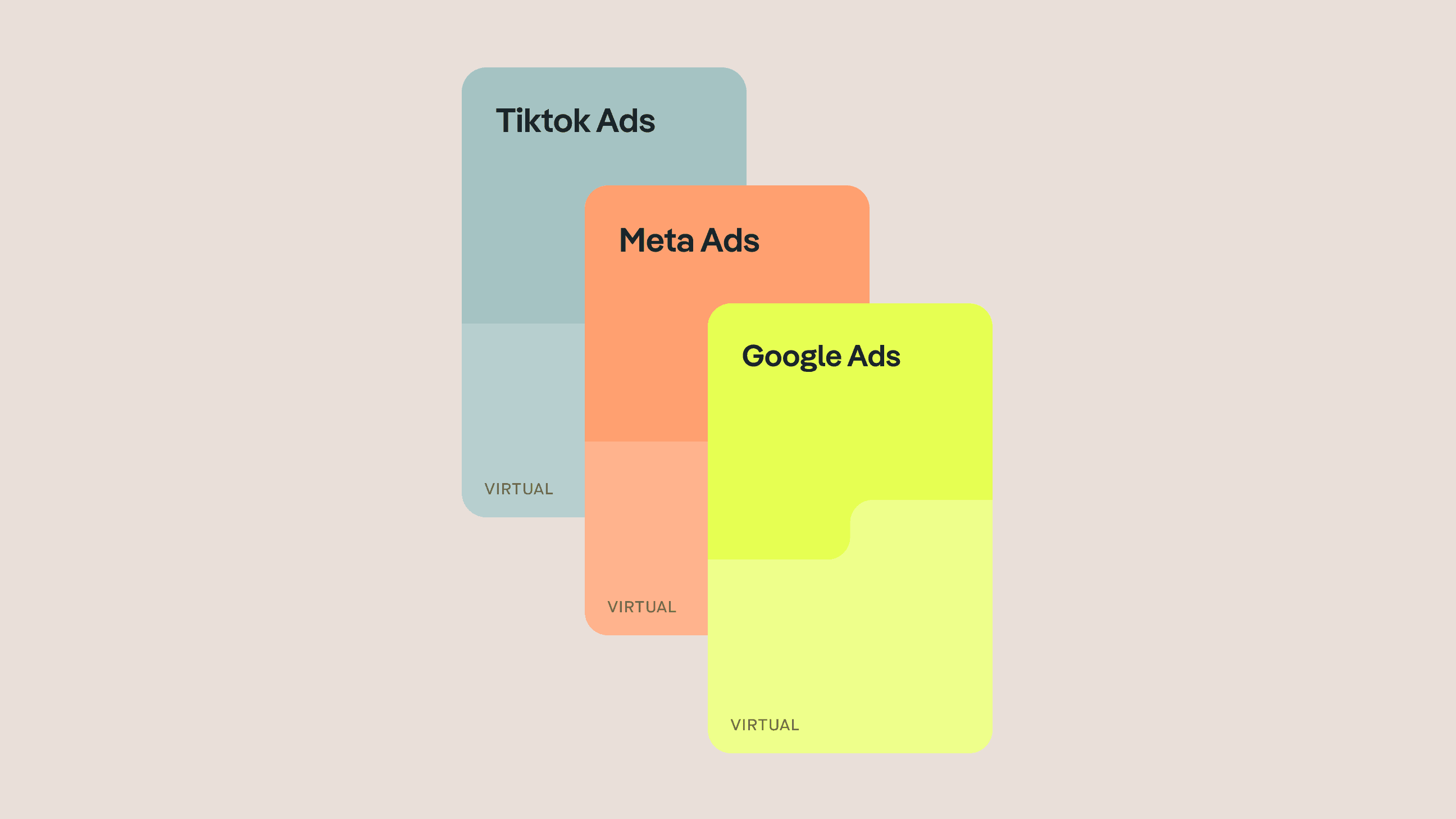
With solutions like Pliant, agencies can issue virtual cards per client or campaign, apply spend limits, and monitor transactions in real time. Because each card can be tied to a specific cost center or client, allocation is cleaner from the start, significantly reducing reconciliation effort later.
For agency finance teams, this approach often creates a smoother workflow: fewer shared cards, clearer transaction ownership, and better alignment between spend data and accounting systems.
Pliant: the perfect tool to connect card spend with accounting
Efficient finance operations for marketing agencies come down to one thing: alignment. When card spend, invoices, and accounting systems are connected in real time, reconciliation becomes simpler, faster, and far less manual. Throughout this guide, we’ve looked at how agencies can reduce admin, automate matching, and streamline month-end close, but all of those improvements depend on having the right infrastructure in place.
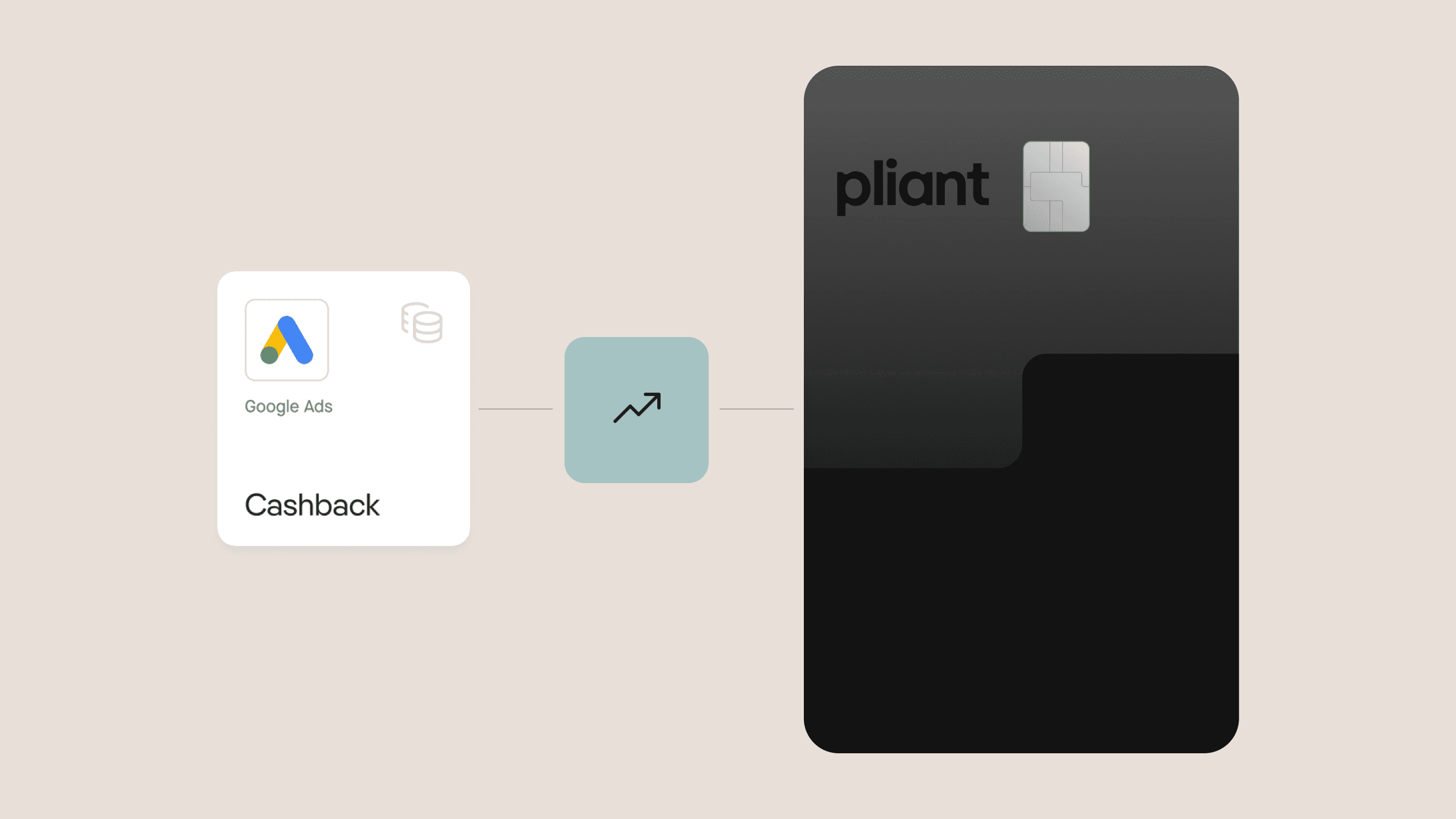
Our platform brings that structure together. By linking virtual cards to clients or campaigns from the outset, attaching invoices directly to transactions, and syncing data seamlessly into your accounting system, Pliant reduces the need for manual exports, spreadsheet cleanups, and duplicate entry. Instead of fixing inconsistencies at month-end, your finance team works with organized, categorized data from the start.
For agencies handling high transaction volumes and complex client billing cycles, that connection between spend and accounting is transformative. It turns reconciliation from a reactive task into a streamlined process and gives your finance team the clarity and control needed to operate efficiently at scale.
Ready to Simplify Your Agency’s Finance Operations?
Learn how Pliant can transform your marketing agency’s finance workflows.