How banks build profitable card and spend management programs
By combining card issuance with modern spend management software, Fintechs have built programs that grow revenue per client, reduce cost-to-serve, and create daily engagement that makes switching costly.

- Why most bank card programs underperform on profitability
- Bank program models and their economics
- How modern platforms reduce cost-to-serve
- How to design rewards that drive usage without eroding margin
- What a profitable program looks like in practice
- Ready to build a card program that earns its place on the P&L?
For most banks, the corporate card program has been treated as a supporting product rather than a profit center. It sits alongside the current account, generates interchange on a fraction of company spend, and costs more to operate than most leaders recognize. Fintechs have rewritten the model. By combining card issuance with modern spend management software, they have built programs that grow revenue per client, reduce cost-to-serve, and create daily engagement that makes switching costly.
The competitive risk is not just that fintechs capture card spend. It is that they capture the client relationship, along with the data, the recurring revenue, and the cross-sell opportunity that comes with it.
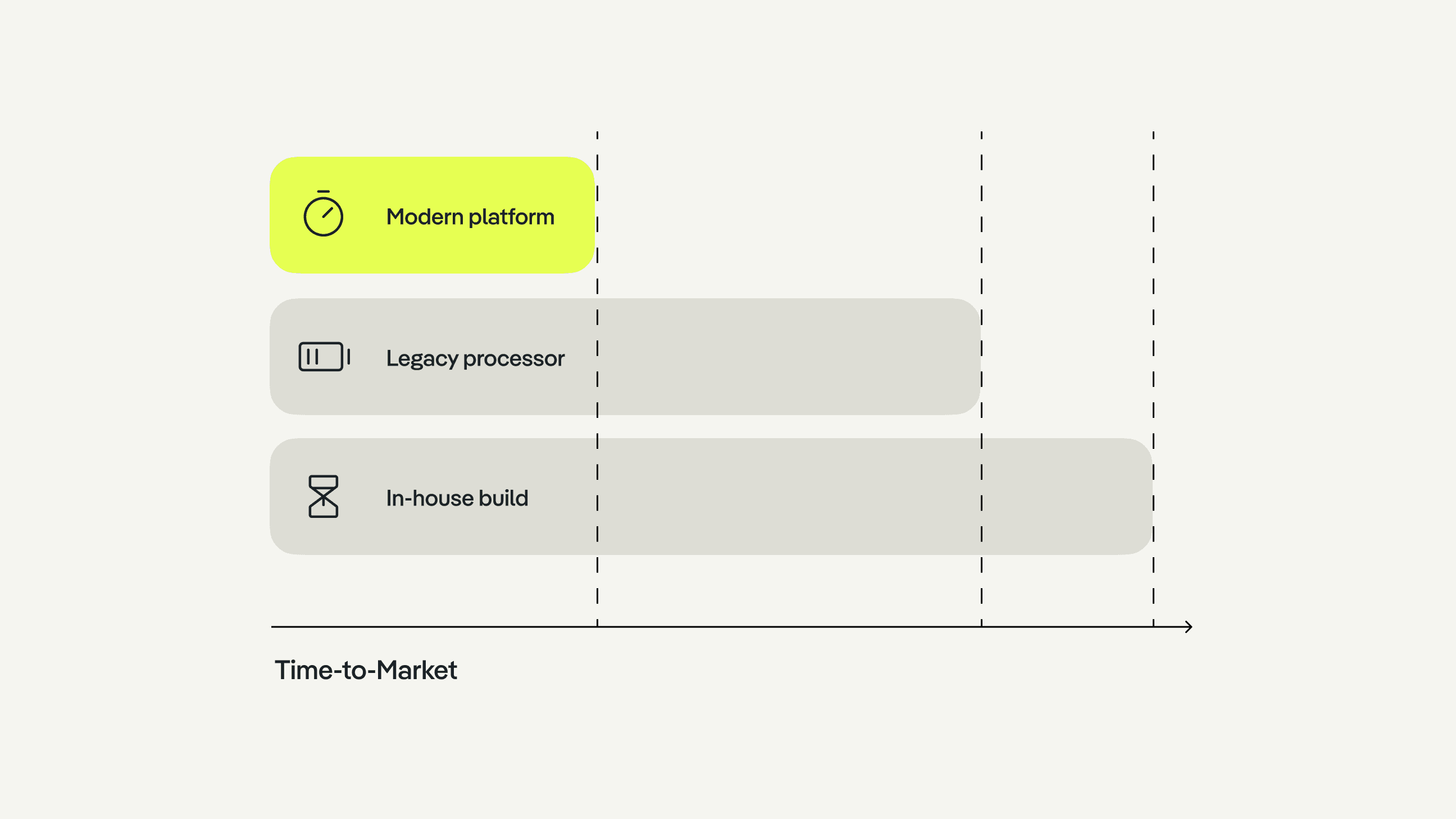
Unlike those fintechs, which compete directly for bank clients and deposits, Pliant is designed to work alongside banks as a technology partner, enabling them to build the same modern economics under their own brand. Speed of launch matters, but the economics of what you launch matter more. This article maps the levers that determine card program profitability and shows what each approach delivers: in-house build, legacy processor, and modern platform.
In most banks, speed comes from shortening the critical path: avoiding core replacement, reducing dependencies, and keeping risk, legal, and compliance work moving in parallel with delivery.
We'll cover:
Why most bank card programs underperform on profitability
Three bank program models and their economics
How modern platforms reduce cost-to-serve
How to design rewards that drive usage without eroding margin
What a profitable program looks like in practice
Why most bank card programs underperform on profitability
Traditional bank card programs were built for an environment where interchange was the primary revenue lever and operational costs were bundled into broader banking overhead. That model has not scaled well under competitive pressure.
As businesses have moved more spend to fintech platforms, interchange volume has drifted away from banks. At the same time, operational costs have remained high: manual card issuance, human-assisted limit adjustments, and reactive dispute handling consume significant resources per client. The margin between what the program earns and what it costs to run is thinner than most leaders recognize when looking at aggregate numbers.
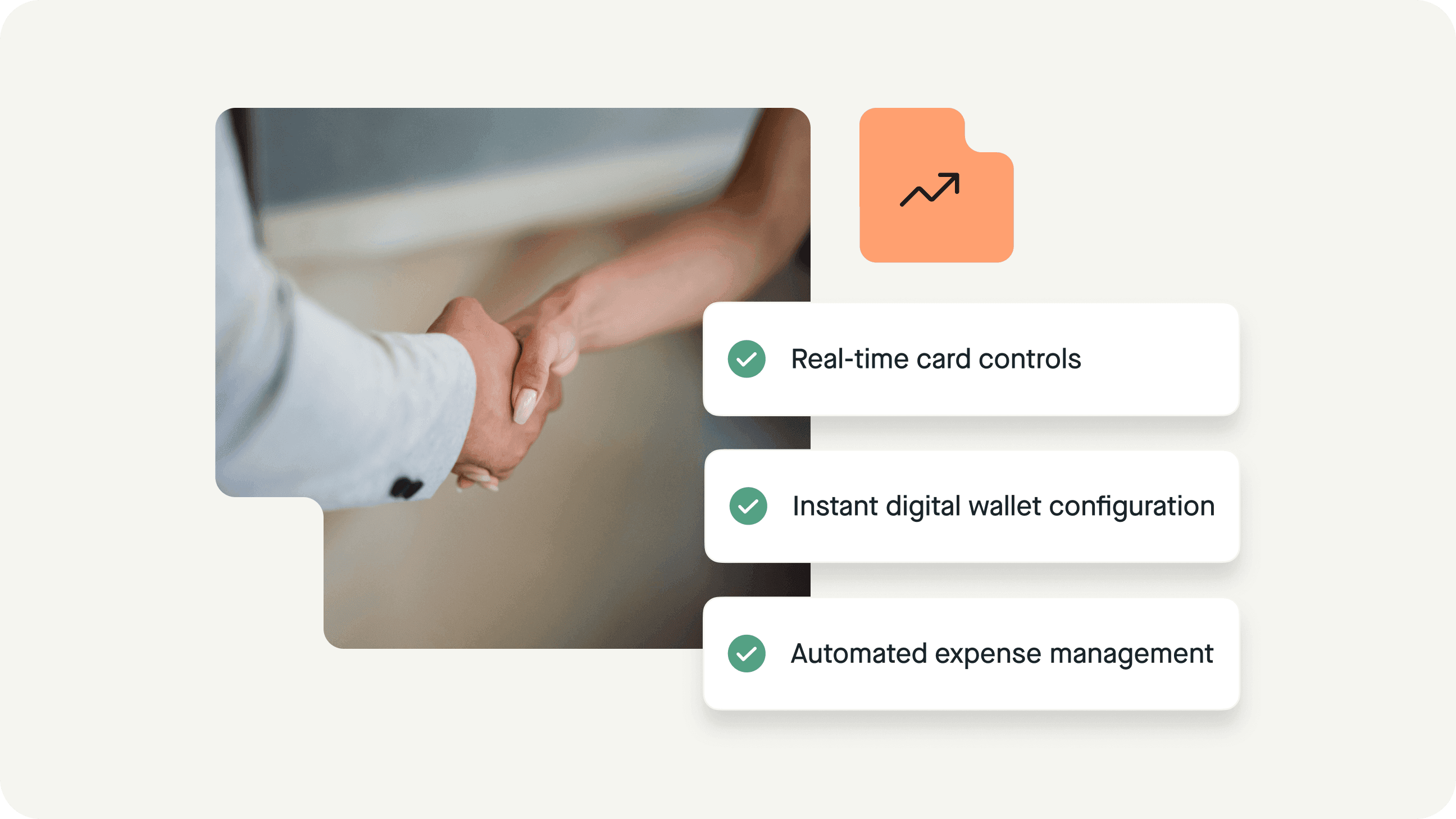
The structural issue is product positioning. A card program treated as a payment product will be evaluated on price and credit terms. A card program that includes real-time spend controls, automated expense management, and digital wallets is evaluated on the operational value it delivers to finance teams. That shift in positioning is what unlocks the additional revenue layer that modern programs access and legacy programs do not.
Bank program models and their economics
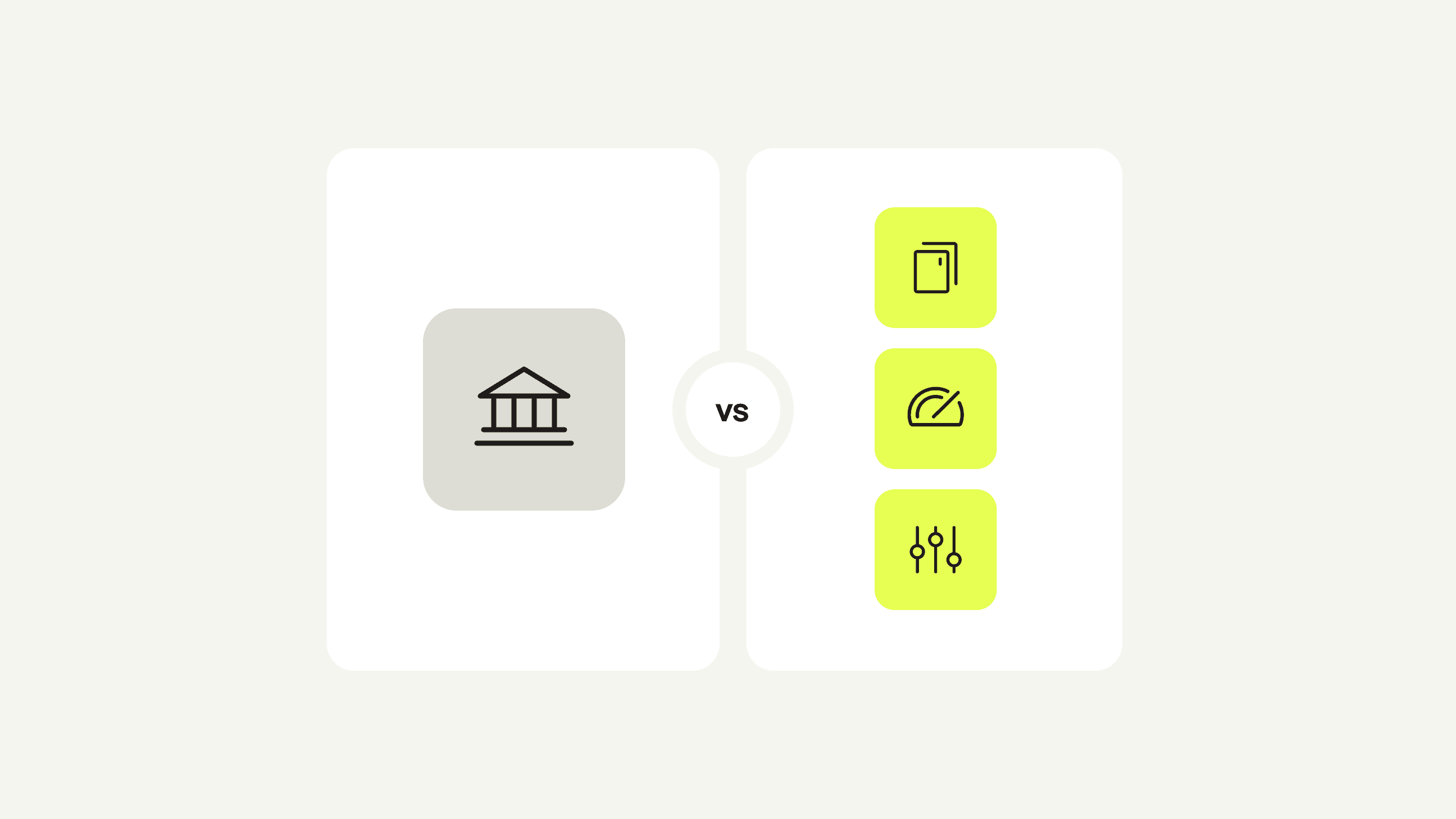
Banks choosing a card program approach are effectively choosing a revenue model. The three most common paths perform differently across key metrics.
In-house build: Maximum control, highest fixed costs
Full control over unit economics in theory, but the cost of building and maintaining the program absorbs most of the potential margin. Development costs, compliance tooling, ongoing engineering, and manual operations mean profitability depends on achieving significant scale before the fixed cost base is justified. Most in-house programs do not reach that scale before the competitive window closes.
Legacy processor: Lower effort, limited upside
Lower upfront cost, but the revenue model is constrained. Processors typically retain a share of interchange, offer limited ability to layer on spend management revenue, and make configuration changes expensive. Cost-to-serve remains high because the platform does not include modern self-service capabilities for cardholders.
Modern platform: Adds software revenue and lowers cost-to-serve
The bank retains its interchange revenue and brand relationship while gaining the ability to add a software revenue layer on top. Modern platforms enable banks to charge business clients for spend management under the bank's own brand. This model mirrors what leading fintech platforms charge, but without surrendering the banking relationship. Cost-to-serve decreases because cardholders manage their own cards, limits, and settings through a self-service interface.
The economics of the modern platform model improve over time. Higher card utilization generates more interchange per client. Clients on the spend management tier generate software fee revenue in addition to interchange. And a lower support burden means the program scales without proportional cost growth.
How modern platforms reduce cost-to-serve
Cost-to-serve in a legacy card program is dominated by two factors: manual card management and reactive support. When a business needs to issue a card, change a limit, restrict spend by category, or resolve a transaction query, the usual path is a call or a support ticket. In a program with hundreds or thousands of cardholders, those interactions accumulate into a meaningful cost line.
A modern card platform inverts this model. Card issuance takes seconds in the web or mobile app. Limit changes are instant and self-service. Spend controls by merchant category, by geography, and by amount are configurable by the finance team without contacting the bank. Disputes and reconciliation have dedicated workflows that surface the right information without manual investigation.
The Bank Admin App layer amplifies this further. Bank operations teams gain real-time visibility into what cardholders see, can trace transactions to settlement, and can resolve most second-level queries without escalation. The result is fewer support interactions per cardholder, faster resolution, and a lower cost per managed account. The features that drive this self-service behavior are covered in What Modern Business Customers Expect From a Bank Card Program.
Want to model the economics for your bank's card program? Pliant's Card & Spend OS enables banks to launch a fully branded program with modern revenue mechanics. Talk to a Pliant banking expert.
How to design rewards that drive usage without eroding margin
Rewards programs have a reputation for complexity and margin erosion. The most common failure mode is a program that is generous enough to attract initial issuance but not targeted enough to drive the card usage behaviors that generate the interchange revenue to fund the rewards.
The design principles that work in practice:
Tie rewards to usage behaviors, not just activation: Trigger cashback or points based on spend thresholds, category concentration, or monthly minimums to build habits that increase utilization and interchange revenue.
Segment rewards by client profile: Use a configurable rewards engine to match structures to segments (for example, travel-heavy clients vs supplier-payment-heavy clients), instead of a one-size-fits-all program.
Manage centrally, configure per client: Define reward rules centrally, with client-level customization where the margin supports it. Avoid manual per-client setup that does not scale.
A well-designed rewards program is not a cost. It is a mechanism for driving the card usage that generates the interchange revenue to fund itself, while creating the switching cost that retains the client.
What a profitable program looks like in practice
The shift from a legacy card product to a modern card and spend program changes the economics simultaneously across multiple dimensions. Utilization increases because cards are easier to issue and use. Interchange revenue per client grows. A software revenue layer adds a recurring margin stream. Cost-to-serve decreases as self-service replaces manual operations.
Banks consistently report significantly higher card utilization after moving to a modern platform model. That uplift compounds: more utilization means more interchange, more interchange supports the rewards investment, and more engaged clients means lower churn.
Pliant is the technology partner that enables banks to access this model without rebuilding core systems or managing multiple vendors. For a detailed look at how that launch works in practice, see The Build vs. Buy Reality Check.
Ready to build a card program that earns its place on the P&L?
Explore how Pliant's Card & Spend OS helps banks launch modern, profitable card programs under their own brand.