What modern business customers expect from a bank card program, and how to deliver it
Business customers do not switch to fintech platforms because they prefer a different brand. They switch because the platform makes their financial operations easier. Expense reports that process without manual entry.

- Why features determine adoption, not just access
- The workflows that drive daily engagement and client stickiness
- How expense management, digital wallets, and ERP integration compare across platforms
- What credible evidence of adoption looks like
- How to choose a platform that delivers what businesses actually use
Business customers do not switch to fintech platforms because they prefer a different brand. They switch because the platform makes their financial operations easier. Expense reports that process without manual entry. Cards that appear in a digital wallet before the employee leaves their desk. Invoices that match to transactions automatically. These are not premium features. They are the workflows that finance teams depend on every day.
Banks that want to retain and grow their business relationships cannot compete on card access alone. The card is the entry point. Whether a business stays, and whether it consolidates more spend at the bank, depends on the depth of the operational experience built around that card.
Unlike fintechs that compete directly for the bank's business clients, Pliant is designed to work alongside banks as a technology partner, delivering the modern feature layer under the bank's own brand. The result is that the bank retains the client relationship while offering the experience that businesses have come to expect from the most modern platforms.
We'll cover:
Why features determine adoption, not just access
The workflows that drive daily engagement and client stickiness
How expense management, digital wallets, and ERP integration compare across platforms
What credible evidence of adoption looks like
How to choose a platform that delivers what businesses actually use
Why features determine adoption, not just access
The business card market used to compete on credit limits, reward rates, and brand recognition. Those factors still matter. But the primary driver of sustained card adoption today is operational fit: does the platform slot into how the finance team already works, or does it create additional manual processes?
When a business issues a card on a modern platform, it is live within seconds and ready to use in a digital wallet before the employee leaves the room. When a transaction happens, the receipt can be attached immediately from a mobile app. When the month ends, expense data flows to accounting software without a manual export. Each of these steps, if they require human action or a support call, is a reason for that business to consider an alternative.
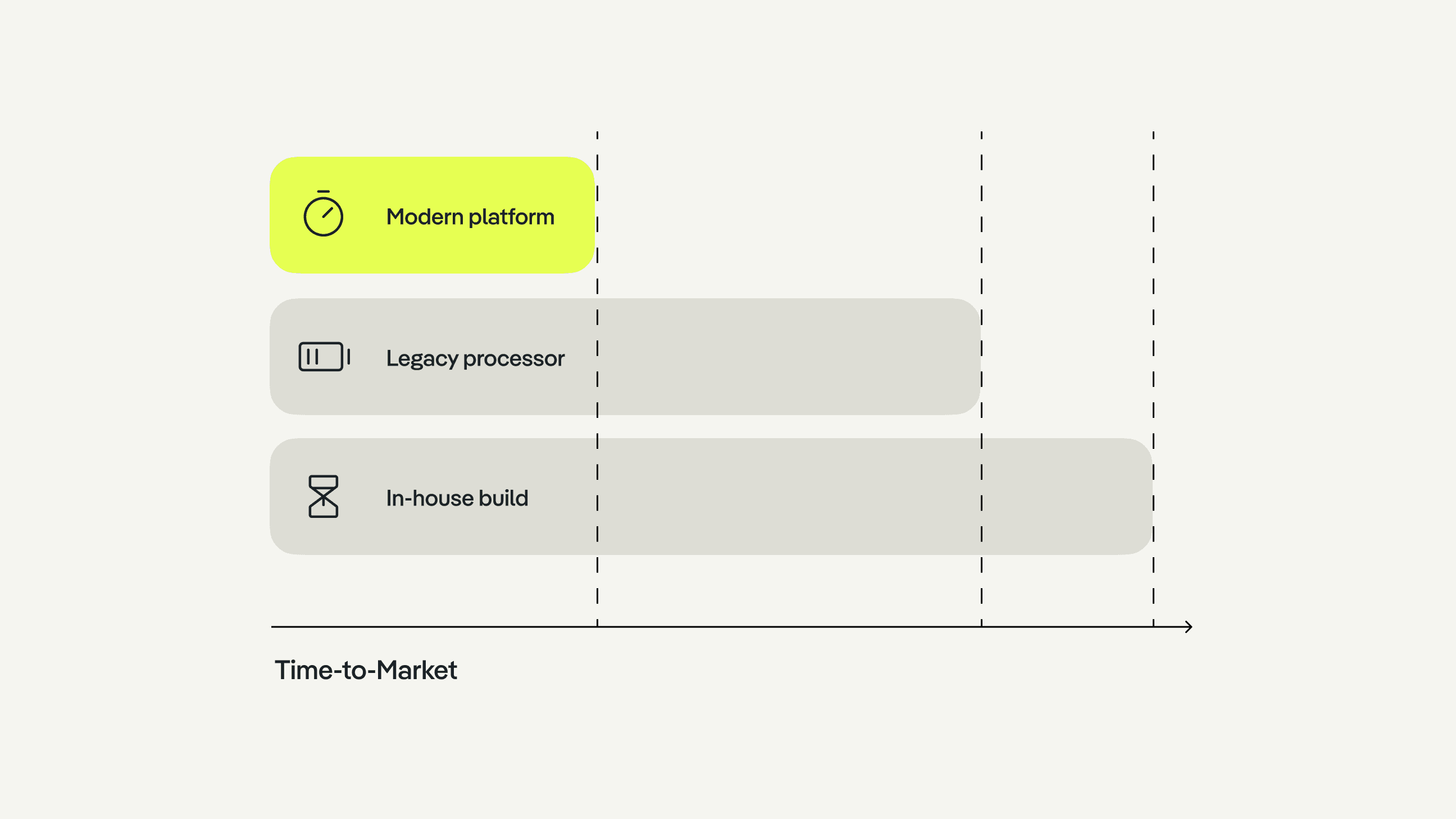
Banks on legacy card stacks consistently lose this comparison when business clients evaluate their options. The features exist on modern platforms. The question for each bank is whether to close the gap, and how quickly.
The workflows that drive daily engagement and client stickiness
Not all features drive equal adoption. The features that create daily engagement are those that touch the most frequent financial workflows, not the most impressive-sounding capabilities.
The highest-impact features across business client segments:
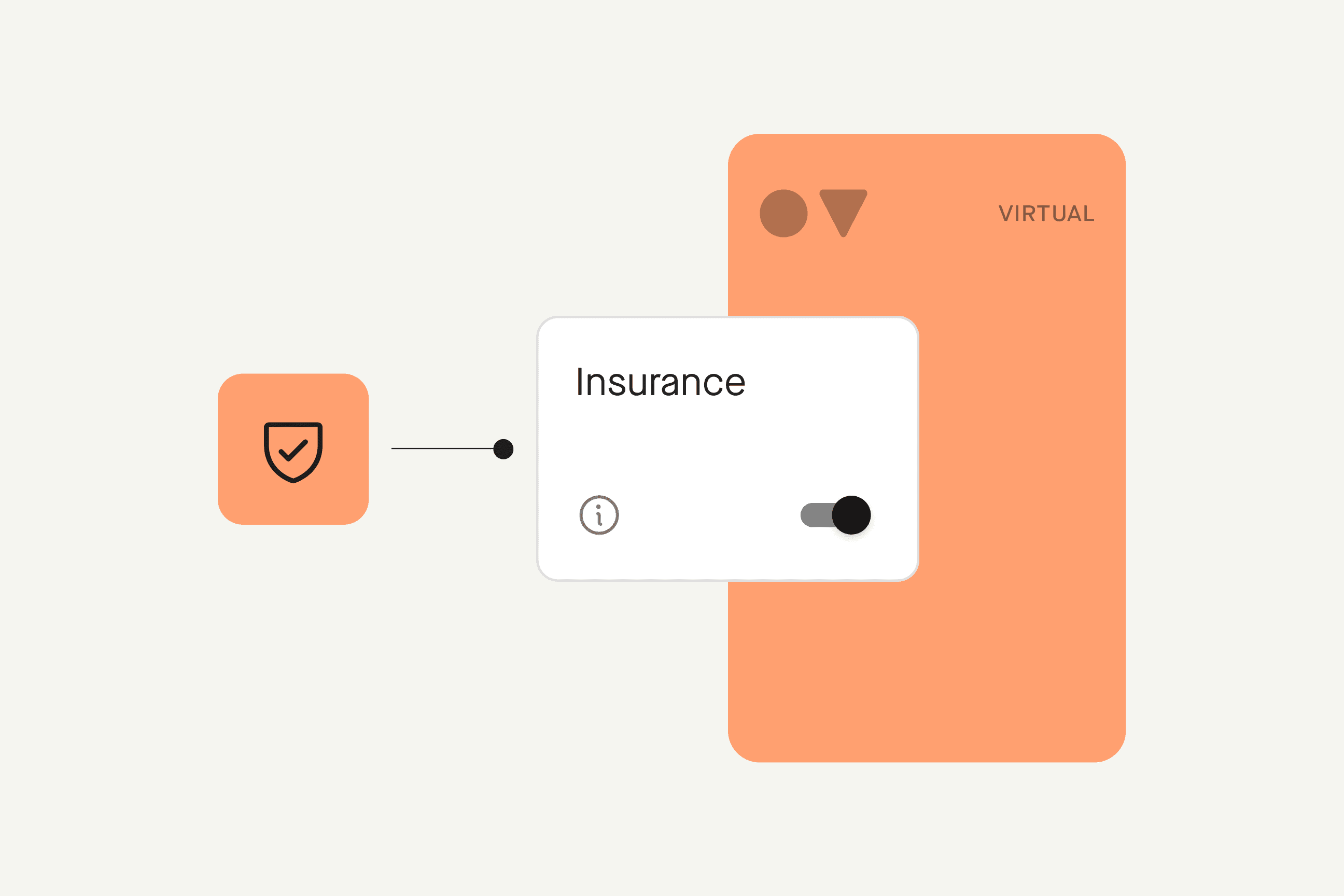
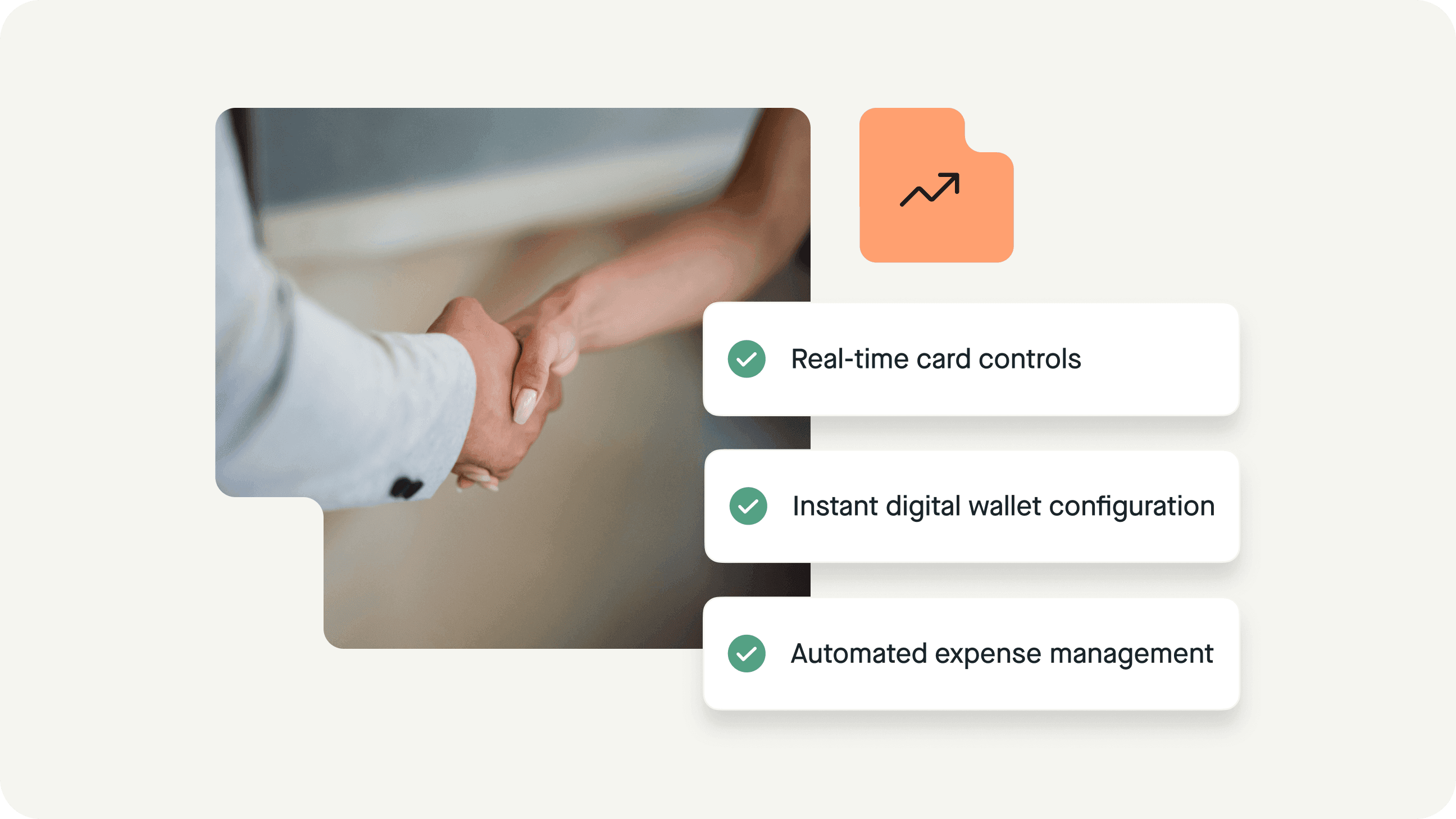
Real-time card controls: The ability to restrict spend by merchant category, set per-card limits, and block or activate cards instantly. Finance teams use these controls to enforce policy without reviewing every transaction individually. They reduce exposure, simplify reconciliation, and create confidence to issue more cards, because the risk is manageable at the platform level.
Instant digital wallet configuration: Adding physical and virtual cards to Apple Pay and Google Pay without delay or IT involvement. For businesses with distributed teams or frequent travel, this is a baseline operational requirement.
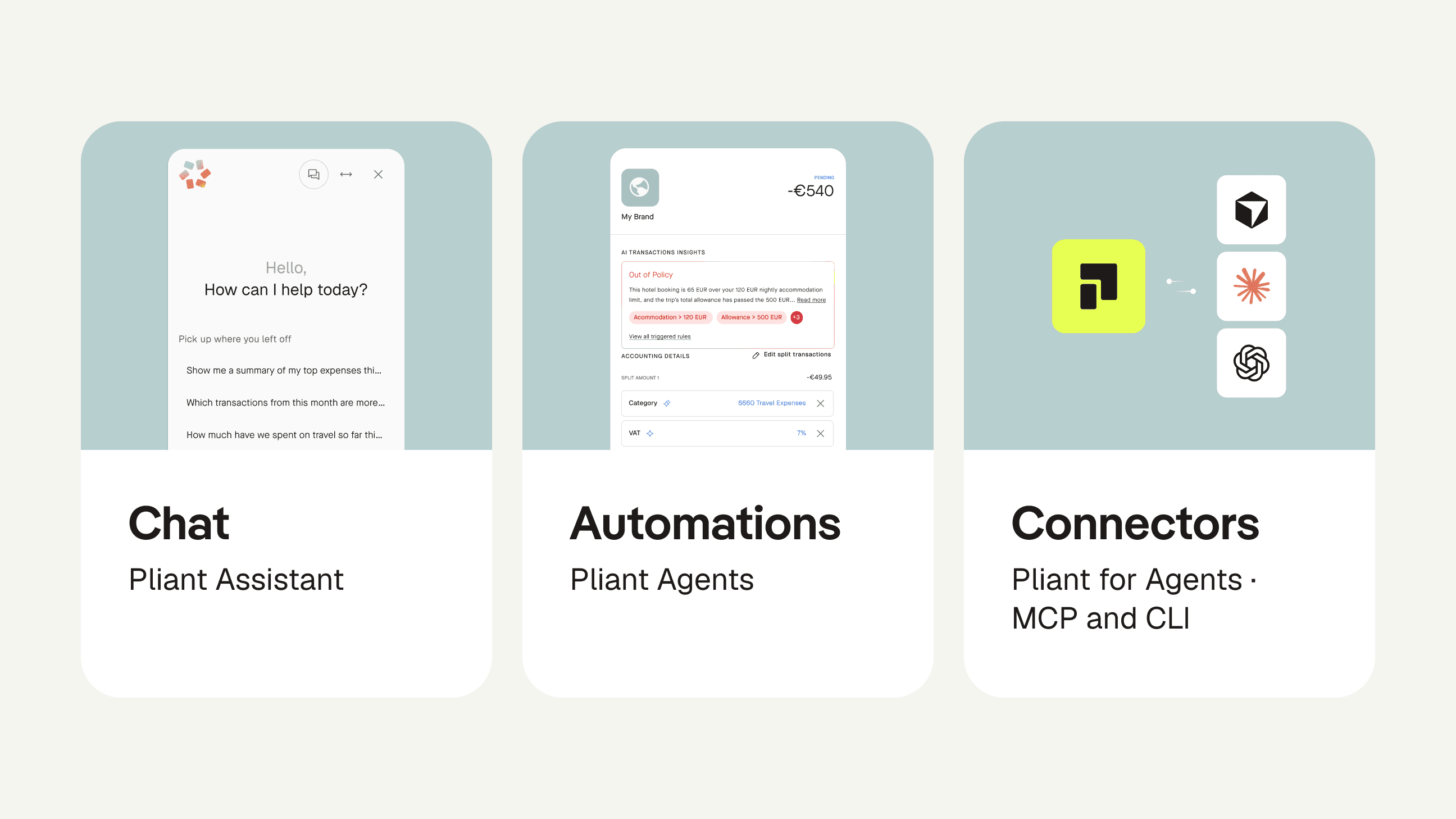
Automated expense management: Receipt collection at the point of transaction, automatic matching of receipts to card spend, and AI-assisted categorization. Finance teams that still process expense reports manually will move to whichever platform removes that work first.
AI-driven invoice processing: Automated extraction and matching of invoice details to reduce accounts payable cycle time. For businesses managing significant supplier payments, this capability has moved from differentiating feature to standard expectation.
Multi-entity and hierarchical controls: For corporate clients with subsidiaries, regional offices, or complex approval structures, the ability to set controls at the entity, department, and individual card level, without custom engineering, is a procurement requirement, not a bonus.
How expense management, digital wallets, and ERP integration compare across platforms
The difference between platforms on these dimensions is structural, not marginal.
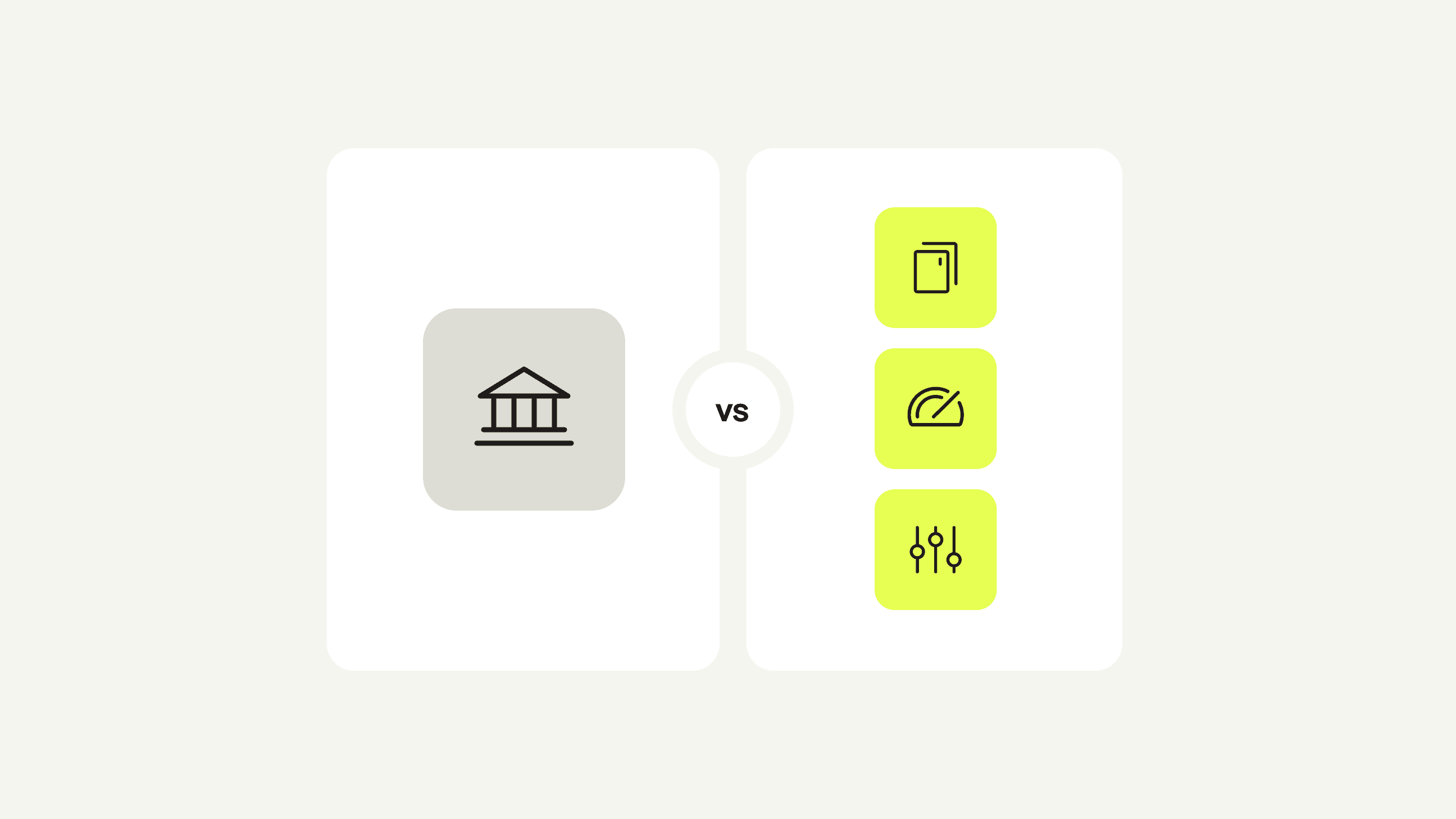
Legacy processor platforms typically provide card issuance and basic transaction data. Expense management is a separate module or a third-party integration. ERP connectivity requires custom development. The result is a card that businesses use for payment but not for managing their finances, which means the bank captures the spend but not the relationship. That shift also has direct implications for the revenue model, explored in our blog article The Profitable Card Program.
Modern card platforms are built with these workflows as core features rather than add-ons. Expense management is embedded in the cardholder app. ERP integration is available via a standardized API that connects to common finance systems. Digital wallets are provisioned in the same session as card issuance. The finance team interacts with a single platform rather than managing connections between a card portal, an expense tool, and an accounting system.
The integration depth matters most for enterprise clients. A business operating across multiple countries, with a mix of physical and virtual cards, multiple approval layers, and consolidation into a central ERP, needs a platform that handles that complexity from initial deployment. The platforms that support multi-entity hierarchies, configurable policy enforcement, and API-driven data export are structurally different from those that do not.
Want to see the feature set in action? Pliant's Card and Spend OS delivers the workflows modern business customers expect, fully branded, under your bank's name. Explore the platform for banks.
What credible evidence of adoption looks like
The most common mistake in platform evaluation is treating a feature list as equivalent to evidence of adoption. A feature that exists in a product is not the same as a feature that business clients use consistently at scale.
Credible evidence of adoption includes:
Usage rates for specific features across the platform's installed base: what proportion of cardholders use the mobile app weekly, what proportion of transactions have receipts attached at the point of sale
Workflow completion data: what proportion of expense submissions are automated versus manually processed
Retention data that correlates with feature adoption depth: clients who use more of the platform churn at lower rates than those who use only the card
Reference customers who can describe specific operational outcomes from deploying the feature set, not just general satisfaction with the platform
When evaluating a technology partner, the right question is not "does this feature exist?" It is: "what proportion of your bank clients have deployed this feature, and what outcomes have they reported?"
How to choose a platform that delivers what businesses actually use
The practical decision for a bank evaluating a card program technology partner comes down to one question: does the platform deliver the features that drive daily engagement, at a depth that business clients will actually adopt and use consistently?
The features that matter are well understood. Expense automation, digital wallets, real-time controls, invoice processing, and ERP integration are the operational layer that separates a modern card program from a payment product. The question is whether the platform delivers them in a way that integrates into existing business workflows without additional implementation effort on the bank's side.
Pliant's Card and Spend OS was built from real business requirements, tested in live enterprise deployments across Tier-1 bank clients, and designed to increase the daily engagement that keeps business clients within the bank's ecosystem rather than migrating to a standalone fintech platform.
Ready to offer business customers the features they actually use? Pliant's Card and Spend OS delivers market-tested spend management workflows under your bank's brand, with no rebuild of your core systems required.